



The 2026 Top Chemical Additives HPMC Suppliers Guide takes a look at a material that often flies under the radar but plays a crucial role in how products perform. Hydroxypropyl methylcellulose (that's a mouthful!) helps control viscosity, form films, retain water, and even manage how active ingredients are released. You’ll see its influence in stuff like pharmaceutical tablets, cement mixes, tile adhesives, coatings, and personal care products.
Dr. S. K. Jain, a well-known expert in cellulose-ether formulations, once said, “Consistency is the hidden cost of every HPMC decision.” And honestly, that still hits home. A supplier might lure you in with a sweet price, but even tiny changes in viscosity can mess with mixing times, spray patterns, how hard a tablet gets, or how long it stays workable. So, it’s a good idea to double-check the substitution levels, particle size, moisture content, gel temperature, and batch records. A certificate of analysis helps, but it’s not the whole story.
This guide compares several suppliers like Ashland, Dow, Shin-Etsu, LOTTE Fine Chemical, Shandong Head, and Anhui Shanhe. It looks at their experience in manufacturing, technical support, quality control systems, documentation, and how well they’ve tested their products in various applications. Trustworthy suppliers should be transparent about their manufacturing controls and offer traceable lots and quick, helpful technical support. Details like these really matter.
Now, some buyers still rely too much on promotional catalogs. That’s a bit risky. You really need to see how the product performs under real-world conditions—think shear, temperature, pH, and storage. Something that works perfectly in a lab beaker might behave differently when you’re mixing it at high speed. So, this guide treats selecting HPMC as a serious technical decision, not just a procurement exercise. The comparison is helpful, but every final choice should be independently checked and validated.
Overall, don’t just go for the cheapest or most attractive option—dig deeper, test out the real performance, and make sure you’re choosing what’s right for your specific needs.

What Is HPMC and How Does It Function in Chemical Formulations
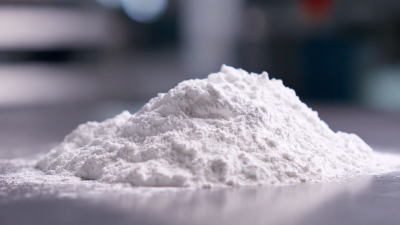
HPMC, or hydroxypropyl methylcellulose, is a modified cellulose ether used in many chemical formulations. It dissolves in water and builds viscosity through hydrated polymer chains. These chains slow flow and help keep particles evenly distributed. HPMC can also form a flexible film after drying. Small changes in substitution level can alter hydration speed, gel behavior, and final texture.
In coatings, HPMC improves sag control and pigment suspension. In cement-based mixtures, it supports water retention and workable application. In tablets and controlled-release systems, it can create a hydrated barrier around active ingredients. Mixing order matters. Adding HPMC directly into warm water may cause surface gelation and leave dry centers. A better approach often uses gradual dispersion, steady agitation, and enough hydration time.
Formulators should compare supplier data beyond headline viscosity. Reliable technical documents should identify viscosity test conditions, moisture, particle size, substitution range, and lot consistency. Independent testing can confirm flow behavior under actual shear and temperature conditions. Lab trials often reveal unexpected interactions with salts, surfactants, or other polymers. That is where assumptions need correction. Supplier evaluation also benefits from traceable production records, responsive technical support, and repeat samples from different lots. A low-cost grade may become expensive when it causes mixing delays or unstable performance. Specification details matter.
Hydroxypropyl Methyl Cellulose Ether (HPMC) for Dry Mix Mortar: Benefits, Uses, and Selection Guide
Hydroxypropyl Methyl Cellulose Ether (HPMC) is a non-ionic cellulose ether derived from purified natural cellulose and modified through controlled chemical reactions. In dry mix mortar, it dissolves in water and provides reliable water retention, thickening, lubrication, and film-forming performance. These properties improve workability, reduce premature water loss, and help cement-based materials hydrate more evenly. HPMC can also support better adhesion, smoother application, and improved resistance to sagging in products such as tile adhesives, plastering mortars, skim coats, self-leveling compounds, and masonry mortars.
When selecting HPMC for dry mix mortar, consider the required viscosity, water-retention level, setting behavior, and application method. Lower-viscosity grades may be suitable when easy mixing, rapid dissolution, and smooth spreading are important, while higher-viscosity grades can provide stronger thickening, suspension stability, and resistance to sliding on vertical surfaces. Particle size and dissolution speed should also match the production process, especially for factory-mixed powders that require consistent dispersion. A suitable grade should remain stable across normal pH conditions, maintain performance during storage, and offer controlled gelation behavior under changing temperatures. Its compatibility with cement, mineral fillers, and other additives is equally important for achieving uniform mortar texture and dependable on-site performance.

FAQS
: HPMC is a modified cellulose ether used in many water-based formulations. It dissolves in water and increases viscosity through hydrated polymer chains. Small substitution changes can alter hydration speed, gel behavior, and texture. Simple, but not predictable every time.
HPMC slows liquid flow and helps keep particles evenly distributed. It can improve sag control and pigment suspension in coatings. In cement mixtures, it supports water retention and easier application. After drying, it may form a flexible film.
Adding HPMC directly to warm water can create surface gelation. Dry powder may remain trapped inside. Gradual dispersion usually works better. Use steady agitation and allow enough hydration time.
Compare viscosity, moisture, particle size, gel temperature, purity, and substitution level. Also review dissolution behavior and lot consistency. A headline viscosity value is not enough. Testing conditions can change the reported result.
Request samples from several recent production lots. Test them using your actual water temperature, mixer speed, and storage time. Record powder dispersion, lumps, open time, and final consistency. Pilot trials matter.
Lower pricing may hide mixing delays, rejected batches, or unstable performance. Reformulation can also consume labor and materials. A cheaper material is not always cheaper overall. The spreadsheet may miss production friction.
Request recent batch certificates, testing methods, storage guidance, and retest policies. Review packaging quality, lead times, order quantities, and contingency plans. Traceable production records should be complete and easy to retrieve. Documents should remain current.
No. Claims about energy, packaging, water, or raw materials need verification. Clear production records provide stronger evidence than polished certificates. Regional warehouses may reduce delays, but local stock cannot guarantee stable supply. Assumptions need checking.
Customized grades may offer different hydration speeds and rheological profiles. They can support construction, coating, personal care, and other applications. Ask for measurable targets, controlled trials, and written recommendations. Technical language alone proves little.
Conclusion
This 2026 guide explains how Chemical Additives Hpmc functions as a versatile cellulose ether in chemical formulations, providing controlled viscosity, water retention, film formation, suspension stability, and improved workability. It reviews key HPMC grades and performance factors, including substitution level, viscosity range, solubility, thermal gelation, particle size, and compatibility with other ingredients. The guide also highlights major applications in construction materials, coatings, adhesives, detergents, ceramics, personal care, and other industrial formulations.
Readers will learn how to evaluate and compare HPMC suppliers through product consistency, technical support, production capacity, quality systems, certifications, and regulatory compliance. It also examines global supply conditions, pricing influences such as raw materials, energy, logistics, and order volume, along with practical procurement considerations. Finally, the guide explores 2026 market trends, including customized grades, sustainable manufacturing, improved quality control, digital supply-chain management, and growing demand for reliable, compliant, high-performance HPMC solutions.
Related Posts
-

Unlocking the Secrets of Methyl Ether Cellulose for Enhanced Industrial Applications
-

Best Rdp Powder for Global Buyers at 2026 Canton Fair?
-

Top Tips for Sourcing Flexible Polymer Powder Efficiently
-

How to Choose the Right Cellulose Adhesive for Your Industrial Applications
-

The Versatile Applications of Hydroxy Ethyl Cellulose in Modern Industries
-
How to Effectively Utilize Hydroxy Propyl Methyl Cellulose in Your Manufacturing Process
