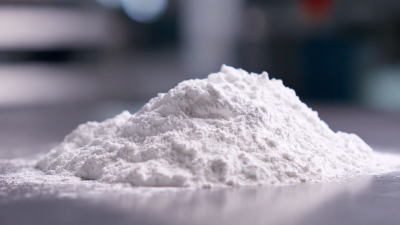
Hey, have you heard about Cementitious Wood Fiber? It’s actually catching a lot of attention in the world of sustainable building lately. Basically, it’s a mix of wood and cement, and it offers some pretty cool perks like durability, good insulation, and being eco-friendly. Experts such as Dr. Emily Hart from EcoBuild Innovations even say that it blends sustainability and performance in ways we haven’t seen before. Pretty exciting, right?
Now, let’s be real — the construction world has some real challenges. Old-school materials can do a lot of environmental damage, which isn’t ideal. Cementitious Wood Fiber, on the other hand, uses renewable resources, so it helps lower the carbon footprint. But, of course, it’s not perfect — some folks wonder how well it’ll hold up over time. Keeping things transparent about its limitations is really important here.
Working with this stuff isn’t just plug-and-play. It takes some know-how and experience, especially because you’ve gotta consider the specific conditions of each site. Every project might need a little tweaking to get it just right. If used thoughtfully, this material could really shake up how we build things. But, yeah — it’s all about finding that sweet spot between innovation and caution. Embracing Cementitious Wood Fiber might just be a step toward a more sustainable future in construction, don’t you think?

Introduction to Cementitious Wood Fiber
Cementitious wood fiber is gaining traction in sustainable construction. This material offers a unique blend of renewable resources and durability. Its composition includes natural wood fibers and cement, creating an environmentally friendly option. The production process often uses recycled materials, which minimizes waste.
One major advantage lies in its insulating properties. Buildings using cementitious wood fiber tend to have better energy efficiency. This material helps regulate indoor temperatures. However, it is essential to consider local climate conditions. Performance can vary based on humidity and temperature.
There are challenges too. The compatibility with various construction methods can be a concern. In some cases, it may not perform as expected when exposed to moisture. Builders need to assess these factors during planning. Proper installation techniques are crucial for ensuring long-lasting performance.
Why Choose Cementitious Wood Fiber for Sustainable Construction?
| Feature |
Benefit |
Environmental Impact |
Applications |
| Natural Material |
Biodegradable and sustainable |
Reduces carbon footprint |
Wall and roof insulation |
| Thermal Insulation |
Energy-efficient building |
Lowers energy consumption |
Residential and commercial buildings |
| Sound Absorption |
Improves acoustics |
Enhances indoor quality |
Theaters and auditoriums |
| Durability |
Long-lasting performance |
Less waste generation |
Industrial buildings |
| Fire Resistance |
Safety in construction |
Reduces fire hazards |
Commercial structures |
Composition and Properties of Cementitious Wood Fiber
Cementitious wood fiber is gaining attention in sustainable construction. This innovative material combines wood fibers with cement, creating a durable product. It harnesses natural resources effectively, making it a popular choice among eco-conscious builders.
The composition of cementitious wood fiber typically includes about 70% wood fibers and 30% cement. This balance provides strength while maintaining a low environmental impact. According to the U.S. Department of Agriculture, using wood fiber can reduce carbon emissions by up to 60% compared to traditional concrete. This reduction highlights the potential for sustainability in construction practices.
Moreover, cementitious wood fiber offers impressive thermal insulation properties. Studies show that it can achieve an R-value of 4.2 per inch, comparable to some insulation materials. However, there are challenges with water retention and susceptibility to mold if not properly managed. This requires careful consideration during installation. The ongoing research in this field aims to enhance its moisture resistance and overall durability, reflecting a commitment to improving this material's future.
Sustainability Benefits of Cementitious Wood Fiber in Construction
Cementitious wood fiber offers significant sustainability benefits in construction. A report from the Global Alliance for Green Construction indicates that eco-friendly materials can reduce carbon footprints by up to 30%. This reduction is crucial as the construction industry contributes nearly 39% of global carbon emissions. Using cementitious wood fiber, which integrates recycled wood and cement, allows builders to source materials sustainably.
Additionally, cementitious wood fiber provides excellent insulation properties. According to the U.S. Department of Energy, high-quality insulation can enhance energy efficiency by 20% in buildings. This not only leads to lower energy costs but also improves occupant comfort. Despite its benefits, some challenges remain. Consistency in material quality varies across different suppliers, which may affect performance.
Furthermore, the production of cementitious wood fiber involves energy use and emissions. Some manufacturers are striving to minimize these impacts. It’s essential for industry stakeholders to advocate for better practices. More research is needed to enhance the material's lifecycle assessment. Continuous improvement is necessary to fully realize its potential in sustainable building practices.
Applications of Cementitious Wood Fiber in Building Design
Cementitious wood fiber is gaining attention in sustainable construction. Its unique properties make it ideal for various applications in building design. This material combines natural wood fibers with cement, resulting in a composite that is both strong and environmentally friendly. Architects are increasingly choosing it for insulation, wall systems, and acoustic panels.
In wall construction, cementitious wood fiber provides excellent thermal performance. It regulates indoor temperatures while reducing energy costs. The material is also lightweight and easy to handle, which streamlines the construction process. For acoustic applications, it absorbs sound effectively. This quality enhances indoor comfort, particularly in busy urban areas.
Despite its advantages, some challenges remain. Proper installation techniques are essential for optimal performance. Additionally, sourcing sustainable wood fibers can be complex. Designers need to consider the lifecycle of materials used. They face questions about durability and long-term maintenance as well. These factors warrant further reflection as the industry evolves.
Applications of Cementitious Wood Fiber in Sustainable Construction
Comparative Analysis with Traditional Building Materials
Cementitious wood fiber is gaining traction as a sustainable building material. Its unique properties set it apart from traditional options like concrete and brick. Studies show that wood fiber products can reduce the carbon footprint of construction by up to 40%. This reduction stems from the use of renewable resources and lower energy consumption during production.
Traditional materials often involve extensive quarrying or resource extraction, which depletes natural habitats. In contrast, cementitious wood fiber uses recycled wood waste, offering an eco-friendly alternative. It also boasts excellent insulation qualities. The material can enhance energy efficiency in buildings, providing up to 25% better thermal performance compared to standard insulation materials.
However, cementitious wood fiber is not without challenges. It may require more care in installation compared to conventional materials. Its moisture sensitivity can lead to potential durability issues if not managed correctly. Fine-tuning these aspects is crucial for maximizing its benefits. As the construction industry evolves, understanding these trade-offs is essential for making informed decisions. Balancing sustainability with performance will ultimately define its acceptance in mainstream building practices.
Challenges and Considerations in Using Cementitious Wood Fiber
Cementitious wood fiber has emerged as an innovative material for sustainable construction. However, there are challenges that builders need to consider when utilizing it. The manufacturing process involves combining wood fibers, cement, and other additives. This process can lead to environmental concerns if not managed correctly. Industry reports indicate that improper disposal of waste from production can contribute to pollution, requiring careful management strategies.
Another issue lies in the performance characteristics of cementitious wood fiber. While it offers excellent thermal insulation, its durability can vary. According to a report by the International Journal of Sustainable Construction, some formulations demonstrate lower resistance to moisture, leading to potential degradation over time. Builders must assess local climate conditions and choose the right mix to mitigate these risks.
Additionally, sourcing sustainable wood fibers can be a hurdle. Not all wood fibers are obtained from sustainable practices. It’s essential for manufacturers to ensure that their raw materials come from responsibly managed forests. This aligns with the principles of sustainable construction but requires ongoing monitoring to maintain compliance. By addressing these considerations, stakeholders can better harness the benefits of cementitious wood fiber while minimizing its drawbacks.
Future Trends in Sustainable Construction with Cementitious Wood Fiber
Cementitious wood fiber is gaining traction in sustainable construction. This innovative material combines wood fibers with cement for strong, eco-friendly benefits. Its lightweight nature reduces transportation emissions. This shift aligns with global carbon reduction goals.
Future trends point to greater use of cementitious wood fiber. This material can improve thermal insulation and reduce energy consumption in buildings. Projects have shown it can perform well in various climates. However, challenges remain in scaling production sustainably.
Adopting this material involves some reflection. There are still concerns about its long-term durability. More research is needed to fully understand its lifespan. As the construction industry evolves, integrating cementitious wood fiber may enhance sustainability, but careful consideration is essential.
FAQS
: It can reduce carbon footprints by up to 30%, contributing to sustainability in construction.
It can enhance energy efficiency by 20%, leading to lower energy costs and improved occupant comfort.
Yes, material quality can vary across suppliers, which might affect overall performance.
Its moisture sensitivity may cause durability issues if not properly managed during installation.
It offers better thermal performance and uses recycled wood waste, reducing its carbon footprint by up to 40%.
They must assess local climate conditions and choose the right mix to ensure durability.
It involves energy use and emissions, and improper disposal can contribute to pollution.
Sustainable sourcing is crucial; fibers should come from responsibly managed forests to support sustainability.
They should advocate for better practices and monitor material lifecycle assessments continuously.
Yes, ongoing research is needed to enhance its performance and maximize sustainability benefits.
Conclusion
Cementitious Wood Fiber is emerging as a viable alternative in sustainable construction due to its unique composition and beneficial properties. This innovative material, made from a blend of wood fibers and cement, offers a range of sustainability advantages, including enhanced insulation, reduced environmental impact, and improved durability. Its applications in building design are diverse, from wall panels to roofing systems, demonstrating versatility in various architectural projects.
While Cementitious Wood Fiber presents numerous benefits, understanding the challenges and considerations associated with its use is crucial. Factors such as performance in different climates and compatibility with other materials need to be addressed. As the construction industry increasingly prioritizes sustainability, Cementitious Wood Fiber is poised to play a significant role in future building practices, paving the way for more eco-friendly construction solutions.