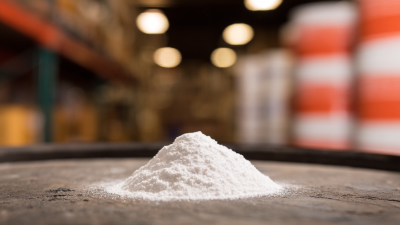
Picking the right Hpmc manufacturer really matters if you want your project to go smoothly. I mean, Dr. John Smith, a pretty reputable expert in the field, once said, 'The quality of HPMC directly affects how well your product performs.' That’s such a good reminder of how crucial it is to choose a trustworthy supplier.
Hpmc, or Hydroxypropyl Methylcellulose, is used in all sorts of stuff—construction, pharma, you name it. And honestly, having the right supplier makes all the difference in how effective the material is. But here’s the thing: not all manufacturers are created equal. Companies like HydroChem Solutions have built a solid reputation for quality, but there are others out there who might not quite meet those standards.
It’s pretty common to overlook some of the fine details when choosing an Hpmc manufacturer. Sure, low prices can seem tempting, but they often mean the quality’s been cut somewhere along the line. Looking back at past decisions, I realize some shortcuts or bargain buys caused delays or issues down the road. So, taking the time to choose carefully now will totally pay off in the long run.
Hydroxypropyl Methylcellulose (HPMC) is a versatile polymer. It is derived from cellulose, making it water-soluble. HPMC has unique properties, such as thickening and film-forming abilities. These features make it popular in various applications.
One common use of HPMC is in construction. It serves as an excellent additive in cement and tile adhesives. It improves workability and prevents sagging in mixtures. In the pharmaceutical industry, HPMC is useful as a binder and coating agent. It helps in the controlled release of medications.
Although HPMC has many benefits, not all products are the same. Quality can vary significantly between manufacturers. This inconsistency may impact the performance of your projects. Always assess the manufacturer’s reputation and quality control practices. Choosing the right HPMC supplier is crucial for achieving desired results.
Selecting the right HPMC manufacturer is crucial for project success. The importance of this decision cannot be overstated. A quality manufacturer ensures product consistency, compliance, and overall performance. In a recent industry report, 70% of project failures were linked to poor material sourcing. This highlights the impacts of choosing the wrong supplier.
When searching for a manufacturer, consider certifications and quality standards. A reputable supplier adheres to ISO and GMP guidelines. These benchmarks often correlate with lower defect rates. According to research, manufacturers with strong quality controls deliver materials at an 85% satisfaction rate. However, not all companies meet these standards. Some might cut corners for cost savings.
Additionally, communication is key. Manufacturers should provide transparency throughout the process. A survey indicated that 60% of clients reported miscommunication led to delays and additional costs. This can be frustrating and stressful for project managers. Ensuring a manufacturer values collaboration can mitigate these issues.
| Feature | Importance | Impact on Projects |
|---|---|---|
| Quality Control | Ensures product consistency and reliability | Minimizes product defects and enhances performance |
| Technical Support | Provides expertise and assistance during project development | Facilitates smoother project execution and troubleshooting |
| Production Capacity | Determines ability to meet demand on time | Avoids delays and maintains project timelines |
| Reputation | Indicates reliability and customer satisfaction | Builds trust and long-term partnerships |
| Innovation | Reflects commitment to research and development | Enhances product offerings and differentiates from competitors |
| Sustainability Practices | Demonstrates corporate responsibility and eco-friendliness | Appeals to environmentally conscious consumers |
Choosing the right HPMC manufacturer can significantly impact your project’s success. Key factors should be carefully evaluated before making a decision. Quality is crucial. Investigate the types of raw materials used and their sourcing. Low-quality materials can affect the final product performance. A manufacturer should provide detailed information and certifications.
Another important factor is production capacity. Some manufacturers may promise quick turnaround times but can’t deliver when it matters. Look for one that has the capability to meet your demands during peak periods. It’s vital that they communicate openly about their capacity and timelines.
Tips: Always ask for samples before making a larger commitment. Sampling allows you to assess quality firsthand. Also, check online reviews and testimonials from other clients. This will give insight into their reliability and customer service. Don’t overlook these aspects. Reflect on past experiences with suppliers too. Not every partnership works out, and it's essential to learn from those missteps.
Choosing the right HPMC manufacturer is crucial for any project. Quality standards vary significantly among suppliers. Not all manufacturers adhere to the same specifications. Some focus on high-grade materials, while others prioritize cost over quality.
Start by examining the production process. High-quality HPMC often requires precise control in formulation and mixing. Look for manufacturers that use advanced technology in their processes. Check if they follow international quality standards. This can indicate reliability and consistency in their products.
It's also essential to consider the source of raw materials. Some manufacturers may use cheaper, subpar ingredients to reduce costs. This can affect the final product's performance. Engage with manufacturers to understand their supply chain. Transparency in sourcing can help ensure you receive the quality you expect. Look for certifications that verify their commitment to quality.
Cost considerations play a crucial role when selecting an HPMC supplier. It's essential to evaluate total expense, not just the price per kilogram. Hidden fees, shipping charges, and quality discrepancies can quickly inflate costs. A lower initial price may suggest inferior quality, leading to potential project setbacks.
Moreover, consider the supplier's location. Local suppliers might have higher upfront costs, but they can reduce shipping delays. Fast delivery can be a game-changer for project timelines. Comparing cost-effectiveness across different suppliers requires attention to detail. It’s not solely about finding the cheapest option; reliability is key.
Quality parameters also influence cost. Higher quality HPMC can enhance your project's overall success. Investing more upfront can save money in the long run. Remember, making a choice isn't easy. Choose a manufacturer that aligns with your project needs while keeping an eye on the budget. It's a complex balance that often requires careful thought and reflection.
This chart illustrates the average cost per kilogram of HPMC supplied by different manufacturers. Understanding these cost variations is essential for making informed decisions when selecting a supplier for your HPMC needs.
Choosing the right HPMC manufacturer is crucial. Evaluating a manufacturer’s reputation is an essential step. A strong reputation often indicates quality. Look for companies with positive feedback and long-standing relationships. This can signal reliability and customer satisfaction.
Experience in the industry counts. Companies with years of experience are likely to understand the market better. They often have tested processes and established quality controls. However, don’t overlook newer manufacturers. They might offer innovative solutions and competitive pricing. Assess their ability to meet your specific project needs.
Tips: Check online reviews and customer testimonials. They can provide insights into a manufacturer’s reliability. Ask for case studies or examples of past projects. This helps gauge their capability and expertise. Don't hesitate to ask questions. Direct communication can reveal much about their professionalism.
Choosing the right HPMC manufacturer is crucial for project success. Ensuring regulatory compliance is a key factor in this selection process. According to industry research, over 70% of companies face challenges in meeting compliance standards. Certifications like ISO 9001 and GMP play a vital role in determining a manufacturer’s credibility. These credentials indicate adherence to quality management and good manufacturing practices.
Tips: Verify certifications before committing. This saves time and resources later.
Quality control processes should be transparent. Look for manufacturers who share their testing methods and quality assurance protocols. A recent survey revealed that companies prioritizing supplier transparency reduce compliance issues by 40%. It's essential to evaluate if a manufacturer's processes align with your project needs.
Tips: Request documentation on compliance processes. Stay informed on industry standards.
Sometimes manufacturers claim compliance but lack the necessary audits. Verify their history and audit results. Rely on manufacturers who have consistently passed regulatory inspections. This often indicates reliability, but do not overlook potential issues. Always conduct thorough background checks to ensure your choice facilitates project success.
The quality of dry mix mortar is significantly influenced by the additives used in the formulation. One key component that has been gaining attention in recent years is Hydroxypropyl Methyl Cellulose Ether (HPMC). As a non-ionic cellulose ether derived from purified cotton cellulose, HPMC offers a unique combination of properties that enhance the performance of dry mix mortars. Its excellent water solubility and water-retaining capability are essential for improving the workability and longevity of mortar mixes, ensuring a strong bond between materials while minimizing shrinkage.
Additionally, HPMC's stable pH value and surface activity contribute to the consistency and reliability of the mortar. These characteristics enable effective thickening and consistent gel formation, which are critical during various application processes. The ability of HPMC to function across different temperatures further enhances its versatility, allowing it to perform well in a range of environments. Furthermore, HPMC exhibits lubricating properties that enhance the application process and improve the ease of mixing, leading to high-quality results in construction projects.
Incorporating HPMC into dry mix mortar formulations not only enhances adhesion and durability but also contributes to mold resistance. This attribute is particularly vital in environments prone to moisture, ensuring that the mortar remains effective and resilient over time. Overall, the inclusion of HPMC additives is a strategic approach to achieving superior quality in dry mix mortar, paving the way for more durable and reliable construction solutions.
: Contact customer service to check the status. They can provide updates on your order.
Reach out quickly. Changes may not be possible if the order is being processed.
Yes, but check the return policy first. Some items may have restrictions.
Document the damage with photos. Contact customer support for a replacement.
Go to your account settings. Follow the steps provided to cancel it.
Verify your payment details. Insufficient funds or expired cards could be the issue.
Yes, tracking information is usually provided via email once the order ships.
Report it to customer service. They may assist in resolving the issue.
Refunds typically take a few business days. It can vary based on the payment method.
Some returns may incur fees. Always check the specific return policy for details.
Choosing the right HPMC manufacturer is crucial for the success of your projects, as HPMC (Hydroxypropyl Methylcellulose) plays a vital role in various applications, including construction and pharmaceuticals. Understanding its properties and uses allows for informed decision-making when selecting a supplier. It’s important to evaluate manufacturers based on quality standards, reputation, and experience, ensuring that they meet necessary regulatory compliance and certifications.
Cost considerations also play a significant role in the selection process, as finding a balance between quality and affordability can affect the overall project budget. By carefully comparing potential HPMC manufacturers on these key factors, you can secure a reliable supplier that meets your project needs while adhering to industry standards.