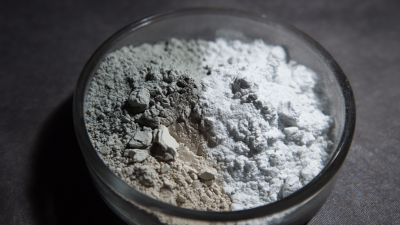
Picking the right Flexible Polymer Powder can really make a difference in how your project turns out — but honestly, it’s something many folks tend to overlook. A lot of people just assume all polymer powders are basically the same thing, but that couldn’t be further from the truth. There’s actually a pretty wide range out there, each suited for different uses and performance needs.
Getting to know the properties of these materials is super important. Some powders are great for flexibility and stretch, while others stand out with toughness and durability. So, figuring out what your project really needs is the first step. It’s also worth checking out suppliers like Polymer Innovations — they often have helpful info and data about various Flexible Polymer Powders.
Take a moment to think about what your application actually requires. Are you looking for something that stretches like crazy, or do you need it to resist environmental conditions? Understanding these little details can really help you make a smarter choice. And don’t forget to see how each powder matches up with your overall project goals. Taking this kind of step back and reflecting can save you time, money, and headaches — ensuring you pick the perfect flexible polymer for your needs.
Understanding flexible polymer powder is essential for various industries. These materials offer unique properties, making them suitable for applications like coatings, adhesives, and 3D printing. Flexible polymer powders can enhance durability while maintaining flexibility, which is crucial in many design processes.
When selecting a polymer powder, consider its particle size and morphology. Smaller particles often lead to better flow properties. However, this may also result in a higher tendency to clump together. It's important to find a balance between particle size and processing efficiency to achieve the desired performance.
Another factor to think about is the thermal stability of the polymer. Some applications require materials that can withstand high temperatures, while others may not. Conducting tests on various samples is advisable. This can help identify the right polymer for specific environmental conditions. Always prototype to reflect real-world usage before finalizing your selection.
| Property | Description | Applications | Recommended Usage |
|---|---|---|---|
| Flexibility | Ability to bend and stretch without breaking. | Medical devices, soft toys, automotive parts. | Ideal for applications requiring repeated stress. |
| Durability | Resistance to wear and tear over time. | Outdoor gear, sports equipment, footwear. | Best for high-impact applications. |
| Chemical Resistance | Ability to withstand exposure to various chemicals. | Packaging, laboratory devices, automotive fluids. | Use in environments with chemical exposure. |
| Thermal Stability | Maintaining properties at varying temperatures. | Electronics, manufacturing processes, HVAC systems. | Suitable for high-temperature applications. |
| Colorability | Ability to take on various colors and finishes. | Consumer goods, artistic projects, branding. | Recommended for aesthetic applications. |
When selecting flexible polymer powders, key properties are crucial. Start with the particle size distribution. Smaller particles often provide better flowability and packing density. According to a study by the Polymer Society, optimal flow characteristics can enhance process efficiency, with a 15% reduction in material wastage reported.
Another critical property is thermal stability. Polymer powders need to withstand processing temperatures without degradation. Recent data shows that materials with high thermal stability reduce production costs. This aspect directly affects the longevity of the end product, making it essential to verify stability under specific conditions.
Consider the mechanical properties as well. Flexibility, tensile strength, and elongation at break are indicators of how a polymer will perform in final applications. Research has shown that polymer powders with balanced mechanical properties demonstrate a 20% improvement in product durability. However, achieving the right balance often requires testing different formulations, as each application may demand distinct property profiles.
When selecting flexible polymer powders, it's crucial to understand the different types available on the market. Common options include thermoplastic elastomers, polyurethane powders, and PVC. Each type has unique properties that cater to various applications. Thermoplastic elastomers offer excellent elasticity and flexibility, while polyurethane powders are known for their durability and resilience. PVC, on the other hand, is cost-effective and widely available.
It’s important to consider your specific needs before making a decision. For example, what is the intended application? Will the product face extreme temperatures or environmental challenges? These factors influence which polymer powder will perform best.
In the selection process, consider testing samples from manufacturers. This allows you to evaluate performance before committing to larger quantities. Pay attention to material safety data sheets, as they provide critical information. Failure to do so can lead to unexpected challenges in your project. Additionally, be open to feedback from peers who have experience with different polymer powders. Their insights can guide you toward making a well-informed choice.
When selecting a flexible polymer powder, quality is crucial. Certifications and testing standards play a significant role in ensuring that the product meets industry requirements. Look for certifications like ISO, ASTM, or similar credible organizations. These certifications indicate that the material has undergone rigorous testing and meets specified benchmarks. A lack of certification can raise red flags about the product's reliability.
Testing standards should focus on various factors. For example, tensile strength, viscosity, and thermal stability. These characteristics determine how well the polymer performs in different applications. Testing procedures should be transparent, but not all manufacturers are forthcoming about their methods. This transparency is essential for evaluating quality. Always request documentation to verify compliance with testing standards.
Understanding these aspects requires industry knowledge. Not all powders will perform equally in every application. Some may have limitations that could affect your project. Research is necessary, as choosing the wrong polymer can lead to failure. Take time to consider the specific needs of your project before making a decision. Quality should never be compromised for cost savings.
When selecting flexible polymer powder, compatibility with project requirements is critical. Various applications demand unique features from polymer powders. For instance, the auto industry often looks for materials that offer lightweight properties with high durability ratings. According to a recent report by the International Polymer Science Association, around 30% of automotive components are shifting towards lightweight polymers, enhancing fuel efficiency.
In addition to performance, processing capabilities must be considered. Some projects require powders that can be easily blended into existing systems. In a survey by Polymer Trends Report, nearly 45% of companies experienced operational delays due to incompatibility issues with their polymer solutions. This highlights the importance of assessing the processing requirements alongside the material performance.
Testing methods for compatibility can vary. Using rheological assessments provides insights into how a powder interacts under different conditions. Feedback from experts indicates that neglecting these assessments can lead to suboptimal outcomes. The choice of polymer should also consider environmental factors like temperature and humidity. Making decisions without thoroughly evaluating these conditions may result in unexpected material behavior.
When budgeting for flexible polymer powder, various factors come into play. The cost of polymer powders can vary significantly based on their composition and intended use. For instance, specialty powders designed for high heat resistance may come with a higher price tag. Evaluating the characteristics of each option becomes crucial. Cheaper materials may not always deliver the performance you need, potentially leading to costly rework.
It's important to analyze both upfront and long-term costs. The initial expense might tempt you to choose a lower-priced powder. However, consider the durability and performance. Poor-quality powders can lead to increased maintenance or reduced lifespan of your final product. Factor in potential savings from using a more reliable polymer, even if it costs more initially.
In addition to price, consider sourcing. Choosing local suppliers can reduce shipping costs and lead times. This can positively impact your overall budget. Always request samples for testing. This step may add to your budget, but it helps ensure you’re making an informed decision. Balancing cost with quality and performance will guide you toward the best choice for your application.
When sourcing flexible polymer powders, evaluating suppliers is crucial. Consider the supplier's experience in the industry. Research shows that suppliers with over ten years in polymer production provide better consistency and quality. A study by the Polymer Society indicates that experienced suppliers have a 90% success rate in meeting customer specifications.
Assess the raw materials they use. High-quality feedstock can significantly enhance the performance of flexible polymers. Look for suppliers who can provide certifications for their materials. These certifications ensure the polymers meet industry standards, promoting reliability and safety.
Keep in mind that not all suppliers are equal. Some may promise high tensile strength but deliver subpar products. Always request samples before a large purchase. Testing the polymer in your specific application can help you identify potential issues. If possible, visit the supplier’s facility to evaluate their production process firsthand. Engaging with suppliers that prioritize transparency can lead to long-term partnerships and better products.
: Flexible polymer powders are materials used in various applications, offering elasticity and adaptability.
Common types include thermoplastic elastomers, polyurethane powders, and PVC, each with unique properties.
Consider your specific application needs and environmental challenges before making a selection.
Testing samples helps evaluate performance and avoid potential issues in larger purchases.
Check the supplier's experience, raw material quality, and certifications for reliability and safety.
Request samples and assess their performance in your specific application before finalizing orders.
Experienced suppliers tend to have a higher success rate in meeting customer specifications.
Certifications verify that materials meet industry standards, enhancing trust and safety.
Yes, seeking insights from experienced peers can guide better decisions in polymer selection.
Skipping testing may result in unexpected challenges and project failures due to unsuitable materials.
When selecting the best Flexible Polymer Powder for your specific needs, it is crucial to understand its overview and applications, including various fields such as manufacturing and 3D printing. Key properties to consider include flexibility, durability, and compatibility with existing materials. The market offers a variety of flexible polymer powders, each tailored for different purposes, so familiarizing oneself with these options is essential.
Additionally, evaluating the quality of polymer powders through certifications and testing standards is important for ensuring performance and safety. It's also vital to assess how well the chosen powder aligns with your project requirements. Cost analysis will help with budgeting, while sourcing and supplier considerations will ensure you obtain the best materials for your application. By carefully reviewing these aspects, you can make an informed decision when selecting Flexible Polymer Powder that meets your project's needs.