




1. Superior Adhesion Across Difficult Substrates
Traditional cement mortar bonds well to porous concrete but struggles on low-absorption surfaces — porcelain tiles, EPS insulation boards, dense concrete panels. RDP dramatically improves interfacial bond strength by forming a polymer film that anchors the mortar to the substrate. In tile adhesive formulations, this translates to higher tensile adhesion strength, better wet adhesion, and reduced risk of tile debonding over time.
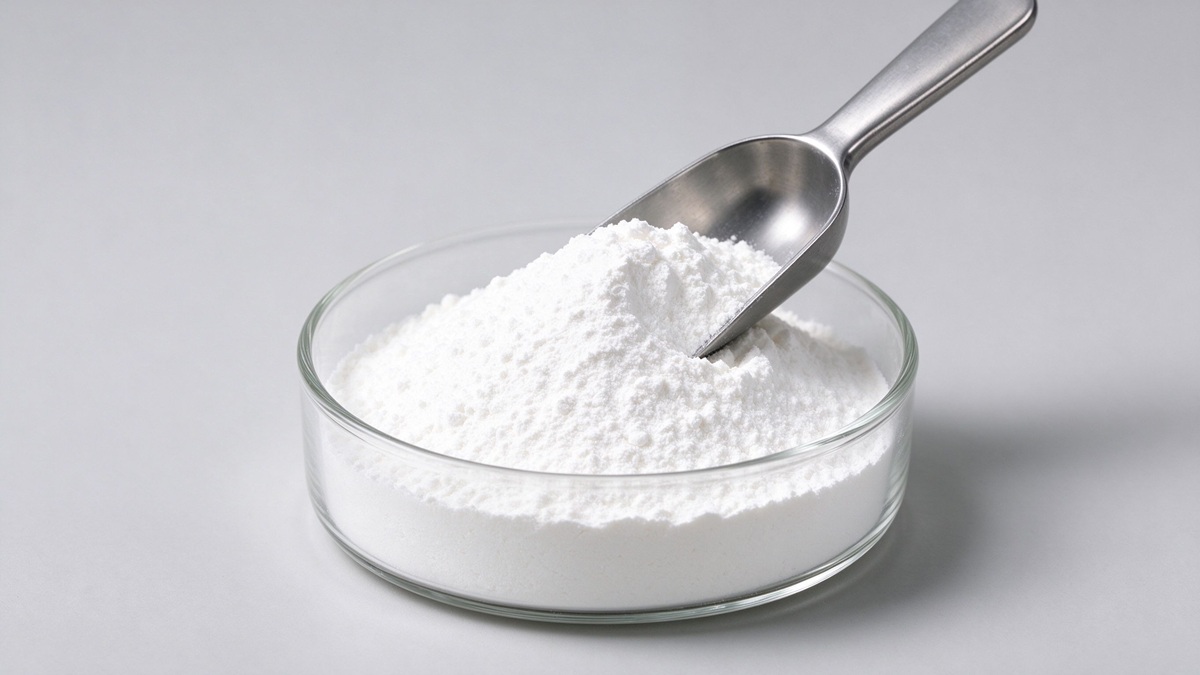
2. Enhanced Flexibility and Crack Resistance
Cement is rigid. Buildings move — from thermal expansion, structural settlement, and vibration. Unmodified mortar cracks. RDP introduces deformability into the matrix, allowing the material to accommodate substrate movement without failing. This is why flexible RDP grades are indispensable in large-format tile installation, underfloor heating systems, and exterior insulation systems.
3. Improved Water Resistance and Weather Durability
Certain hydrophobic RDP grades reduce water absorption within the mortar structure while maintaining film integrity. The result? Better freeze–thaw stability, lower water penetration, and longer service life in exterior and humid environments. Waterproof mortars and cement-based waterproof coatings rely on RDP to form dense, impermeable films.
4. Better Workability and Open Time
RDP improves cohesion and water retention synergies with cellulose ether like HPMC and HEMC. Mortar becomes easier to spread, holds its shape on vertical surfaces, and gives installers more time to adjust tile placement before the mix sets. This is particularly valuable for C2-grade tile adhesives where open time and slip resistance are specification requirements.
5. Reduced Shrinkage and Crack Formation
Shrinkage cracking plagues skim coats, renders, and repair mortars. By reducing internal stress during drying and improving cohesion, optimized RDP dosage minimizes micro crack formation and maintains coating integrity. The result is a smoother, more durable finish that resists hollowing and delamination.
Major Applications Across the Construction Value Chain
Tile Adhesives
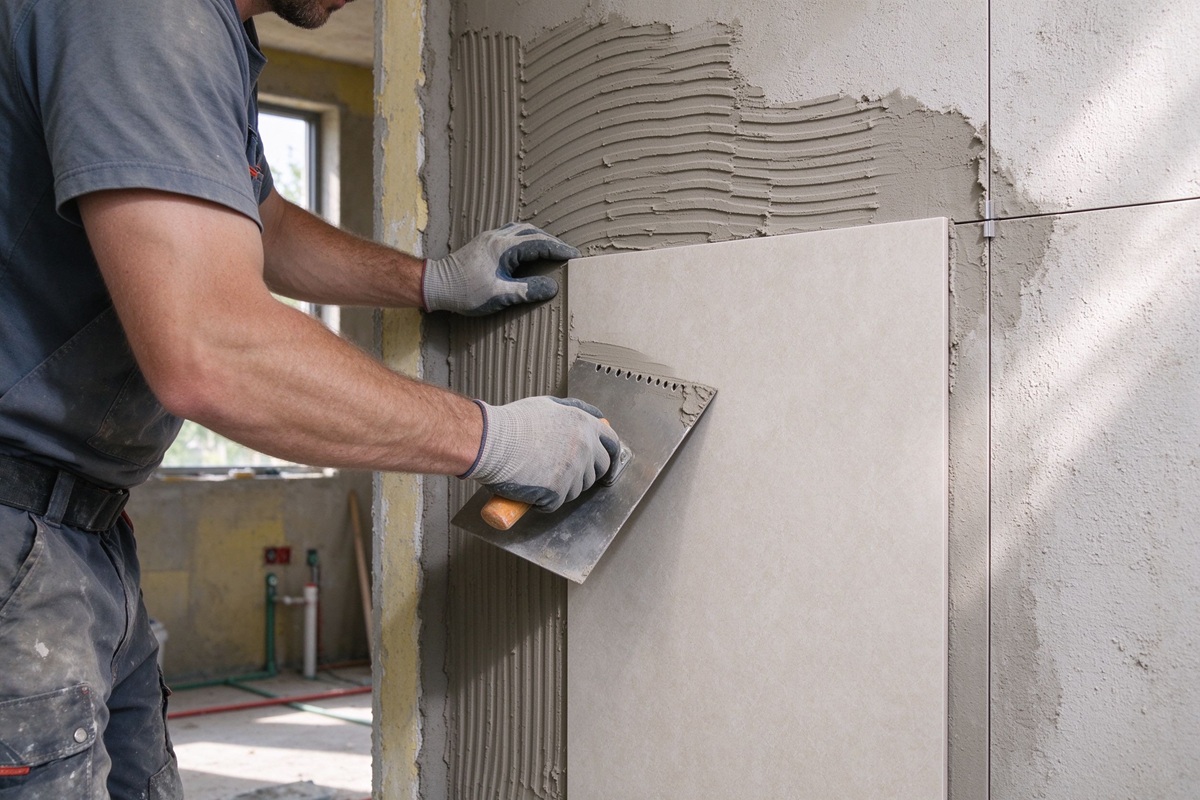
Tile adhesives remain the single largest application segment for RDP. Whether formulating to C1 or C2 standards — or even S1/S2 flexibility classes — RDP is the workhorse that delivers bond strength, flexibility, and open time. Longou’s AP1080 redispersible polymer powder is a rigid-film grade well suited to ceramic tile adhesive, interior wall putty, and gypsum- or cement-based plaster. For demanding C2 tile adhesive applications requiring higher flexibility, Longou’s VE3211 flexible RDP is engineered specifically for enhanced adhesion across varied substrates.
Exterior Insulation Systems (EIFS / ETICS)
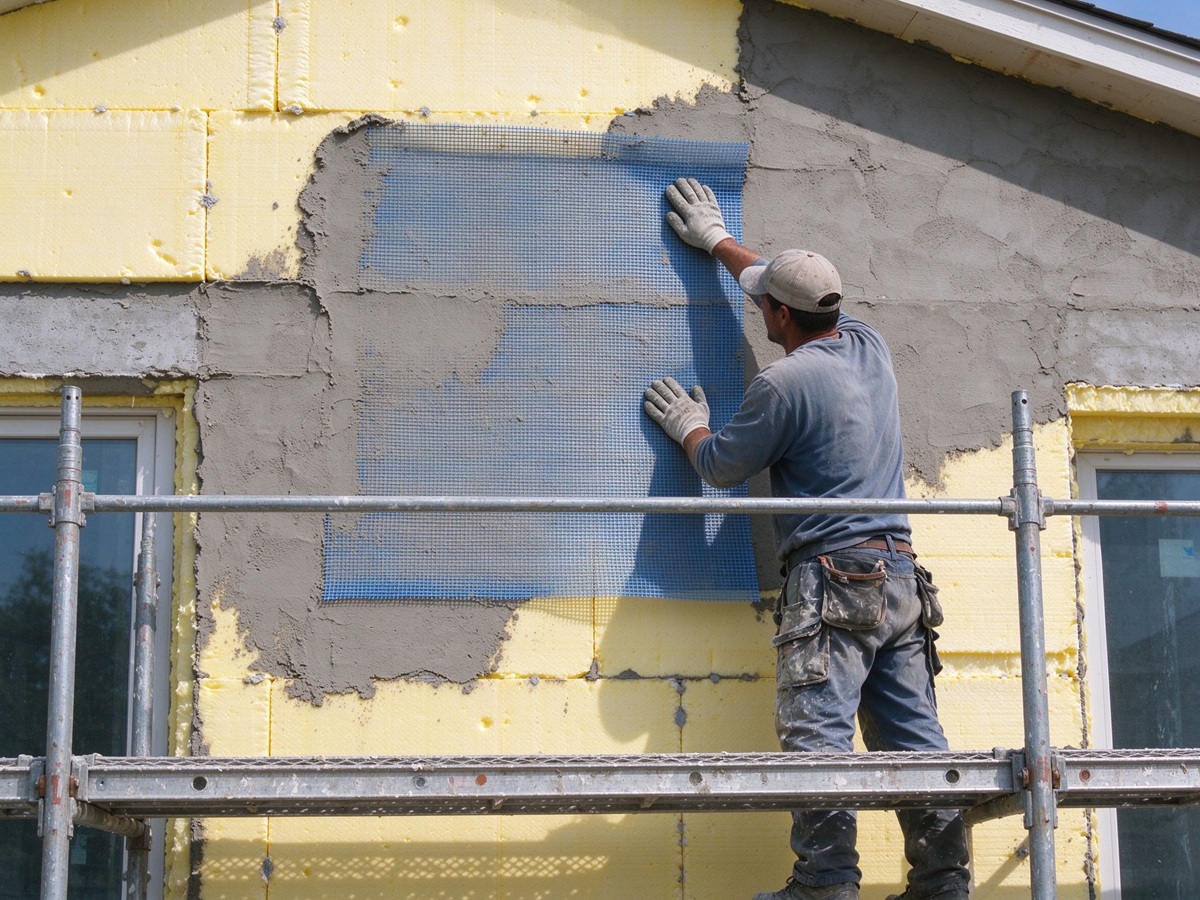
Insulation systems — whether EPS or XPS — depend on anti-crack mortar and base coats that flex with substrate movement while bonding firmly to insulation boards. Flexible RDP grades like Longou VE3211 are formulated for exactly this: they improve adhesion between insulation boards and cementitious layers, resist cracking from thermal stress, and provide weather resistance across decades of exterior exposure.
Wall Putty, Skim Coats, and Renders
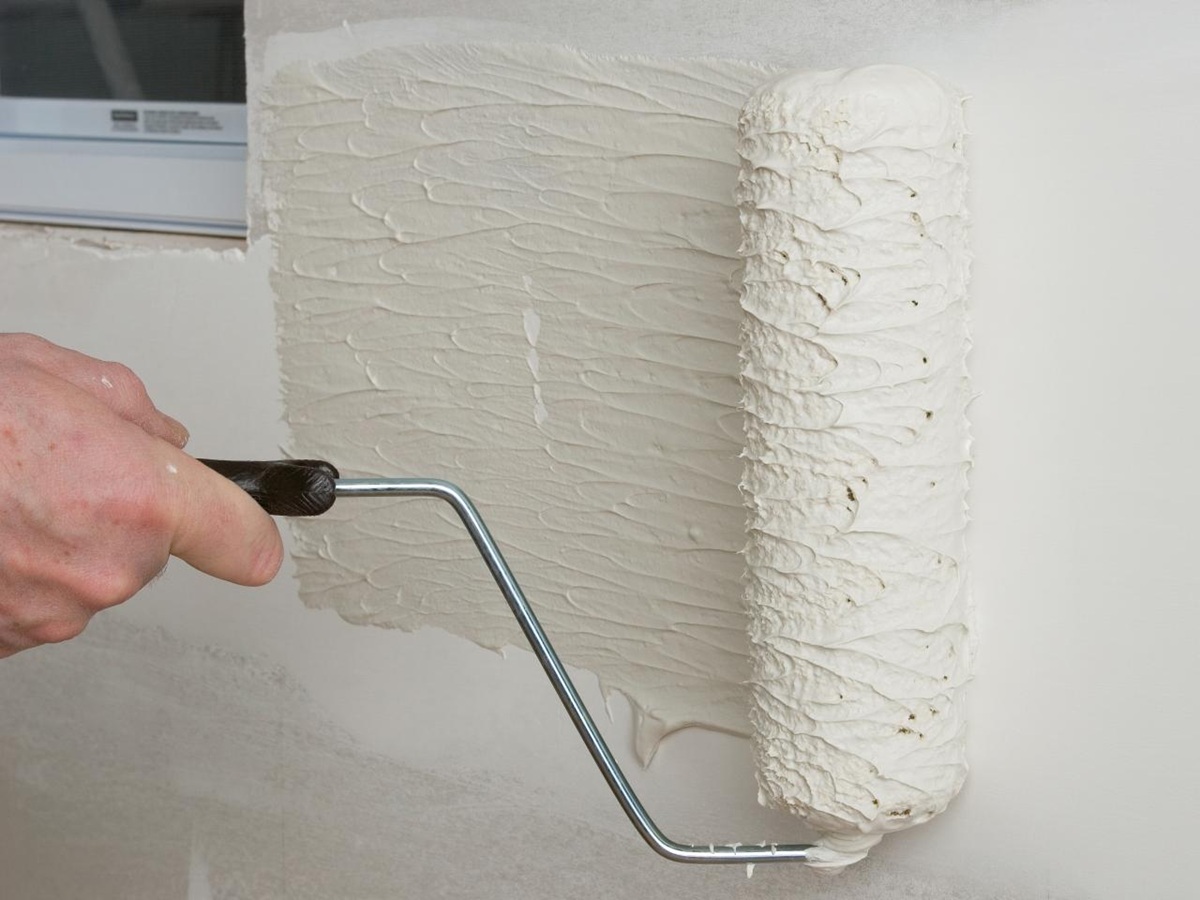
In interior and exterior finishing, RDP-modified putties and skim coats bond better to substrates, sand more smoothly, and resist cracking. The polymer film ensures a uniform surface finish — critical for paint adhesion and long-term aesthetics. Longou AP1080 is commonly specified for interior wall putty and cement-based plaster applications where cohesive strength and surface quality are priorities.
Self-Leveling Compounds
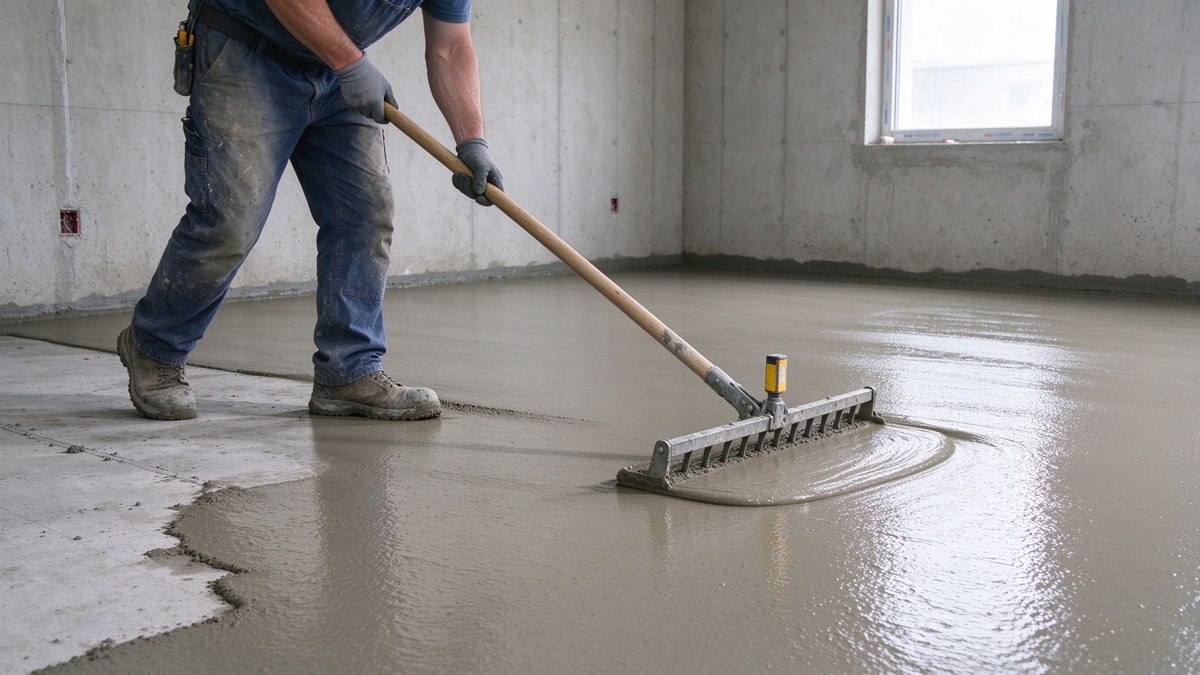
Self-leveling compounds demand a different balance: flowability, surface hardness, and abrasion resistance. Rigid RDP grades are preferred here. Longou’s VE3011 low-emission EVA copolymer — a non-foaming VAE-based powder — is designed for self-leveling floor mortar and decorative diatom mud materials, where clean film formation and low emissions are essential.
Waterproof Mortars and Coatings
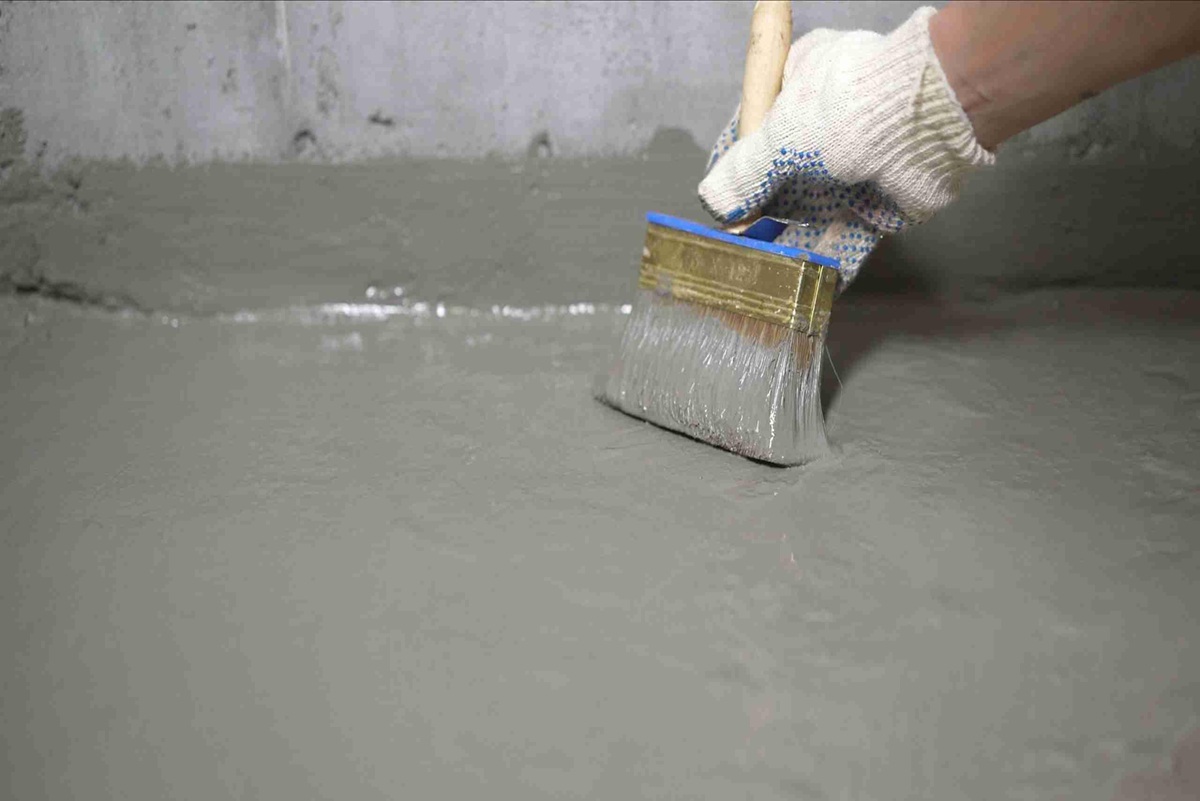
Cement-based waterproof membranes use RDP to form dense polymer films that reduce permeability and improve water resistance. Hydrophobic grades are selected for exterior basements, wet areas, and water-retaining structures.
? Answering the Questions Formulators Ask Most
What dosage of RDP is typical?
Most dry-mix formulations use RDP at 1–5% by weight. Tile adhesives commonly range from 2–5%, self-leveling compounds from 1–3%, and wall putties from 1–3%. The exact level depends on the performance class targeted and the balance with other additives.
What is the difference between flexible and rigid RDP?
Flexible RDP offers higher deformability and crack resistance — ideal for tile adhesives, EIFS, and waterproof mortars. Rigid RDP provides greater surface hardness and compressive strength, making it the better choice for self-leveling compounds and repair mortars where abrasion resistance matters.
Can too much RDP hurt performance?
Yes. Excessive polymer dosage can reduce compressive strength and alter curing behavior. Formulation optimization — balancing RDP, cellulose ether, cement, and fillers — is essential to hit target performance without overspending.
Is RDP compatible with HPMC and HEMC?
Absolutely. RDP and cellulose ether are standard partners in dry-mix mortar. Cellulose ether handle water retention, open time, and sag resistance; RDP handles adhesion, flexibility, and film formation. Together they deliver what neither can achieve alone.
Does RDP improve water resistance?
Certain hydrophobic grades do. They reduce water absorption and improve freeze–thaw durability, which is why waterproof mortar and exterior insulation formulations specifically select water-resistant RDP grades.
Global Market Outlook
The global re-dispersible polymer powder market is on a steady growth trajectory, driven by urbanization, infrastructure investment, and the global shift toward dry-mix construction methods.
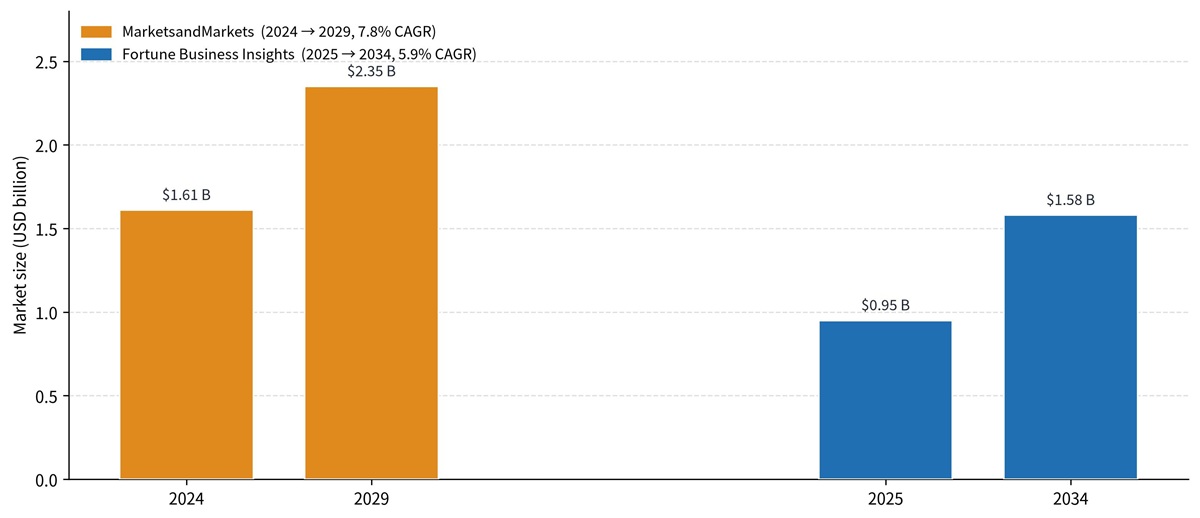
According to Fortune Business Insights, the market was valued at approximately USD 0.95 billion in 2025 and is projected to reach USD 1.58 billion by 2034, growing at a compound annual growth rate (CAGR) of 5.9%. Markets and Markets offers a similarly positive view, estimating the market at USD 1.61 billion in 2024 and projecting USD 2.35 billion by 2029 at a 7.8% CAGR.
Regional dynamics:
Asia Pacific dominates global demand, accounting for over 52% of market share. China, India, and Southeast Asia lead on rapid urbanization. Europe and North America follow, driven by renovation and energy-efficiency mandates.
By application:
Tile adhesives and dry-mix mortars represent the largest consumption segment. VAE based RDP remains the dominant chemistry at roughly 68% of total volume.
Key growth drivers:
- • Accelerating urbanization across emerging economies
- • Rising demand for repair and renovation in mature markets
- • Stringent energy codes expanding exterior insulation requirements
- • Growth in large-format tile and natural stone installation
- • Shift toward prebagged, factory-controlled dry-mix mortars
Sustainability trends:
Low-emission and eco-friendly RDP grades are gaining traction. As indoor air quality regulations tighten, manufacturers are developing powders with reduced VOC content. Longou’s VE3011 reflects this industry direction toward cleaner construction chemistry.
Choosing the Right RDP Grade for Your Formulation
Selecting the correct RDP is not a one-size-fits-all decision. It depends on the application, the substrate, the performance standard (C1/C2, EN 12004, ETICS guidelines), and the local climate.
Longou International Business (Shanghai) Co., Ltd. — founded in 2007 and headquartered in Shanghai — specializes in the R&D, production, and supply of redispersible polymer powders and cellulose ethers for the global construction industry. Its ADHES® RDP portfolio covers rigid, flexible, and low-emission grades tailored to tile adhesives, EIFS, self-leveling compounds, waterproof mortars, and decorative renders.
Whether you are upgrading a tile adhesive from C1 to C2, designing an EIFS base coat, or reformulating a wall putty for better crack resistance, RDP is the ingredient that bridges the gap between basic cement and performance-grade construction chemistry.
Post time: Nov-04-2026