0%

When you look at the price of Redispersible Polymer Powder, it’s rarely just a straightforward number on a supplier’s quote. There’s actually quite a bit behind that figure—things like the chemistry involved, how big the production run was, how it’s packaged, how it gets transported, and even the kind of technical support you get. A product that looks cheap at first glance might save you a buck initially, but it could end up requiring you to use more in your mix or lead to unstable mortar performance down the line.

Dr. Peter Krammer, who’s a polymer formulation expert at Wacker Chemie AG, always points out, 'Price only really makes sense when you’re also considering how well it performs, how consistent it is, and how reliable the supply is.' That’s something you definitely feel on a real construction site. Imagine a tech pulling a 25-kilogram bag off the shelf and noticing it flows poorly, clumps up, or disperses unevenly. Those small details can mess with your labor time, the amount of water needed, how well things stick together, and ultimately, the durability of the finished work.

This article digs into what really influences the price of Redispersible Polymer Powder. We’re looking at different types—vinyl acetate ethylene, ethylene vinyl acetate, and acrylic-based products—which are used in everything from tile adhesives and self-leveling compounds to repair mortars and exterior insulation systems. Just comparing prices without checking things like polymer content, ash level, glass transition temperature, or recommended dosage? That’s a lose-lose situation.

Market factors definitely throw a curveball into pricing, too. Energy prices, availability of raw materials, freight costs, and regional demand can cause quotations to fluctuate pretty quickly. Don’t forget, where the supplier is located and how reliable their delivery is also play a big role.

Here’s where it gets tricky: comparison shopping. A product that’s cheaper might work just fine in one recipe but totally flop in another. So, it’s only fair to do some honest testing. Buyers should ask for technical data, batch info, samples to trial, and application guidance before jumping in. Even then, it’s not perfect—lab tests can’t replicate every condition you’ll face on-site. Still, if you take a careful look, you’ll have a much better basis for your decision than just chasing the lowest price.

What Is Redispersible Polymer Powder Price?

What Is Redispersible Polymer Powder?

What Is Redispersible Polymer Powder Price?

What Is Redispersible Polymer Powder?

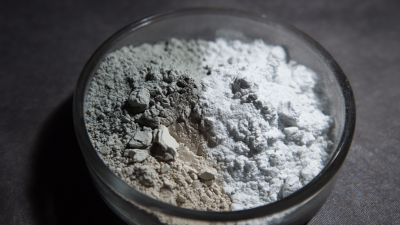
Redispersible polymer powder is a dry, free-flowing material used in cement-based and gypsum-based construction mixtures. It is usually produced by spray-drying a polymer dispersion with protective additives. When mixed with water, the powder forms a stable polymer film again.

This film improves adhesion, flexibility, water resistance, and crack tolerance. It is commonly used in tile adhesives, external insulation mortars, self-leveling compounds, and repair materials. During mixing, the powder should disperse evenly. Lumps can remain if water addition or blending is poorly controlled.

Small details matter.

In practical formulation work, dosage depends on cement type, aggregate grading, climate, and required performance. A higher dosage may improve flexibility, but it can also affect setting behavior and material cost. Redispersible polymer powder price varies with polymer chemistry, production quality, packaging, and order volume. The cheapest option is not always economical after failed batches or weak adhesion.

Storage also deserves attention. Keep the powder sealed, dry, and protected from excessive heat. Moisture can cause caking and reduce dispersibility. Some technical datasheets provide useful test data, but laboratory trials remain necessary. I would not treat one successful sample as proof of universal performance. Construction conditions are rarely so cooperative.

Which Factors Determine Its Price?

What Is Redispersible Polymer Powder Price?

Which Factors Determine Its Price?

Redispersible polymer powder price depends on more than the material itself. Polymer type, glass transition temperature, and protective colloid selection affect production costs. Powders for tile adhesives may differ from those for self-leveling compounds. Higher flexibility often requires more advanced formulation and testing. Raw material costs also change with energy, transport, and regional supply. Price is not fixed.

Order volume matters. A full container usually receives a lower unit price than several small bags. Packaging size, moisture protection, and storage requirements also influence the quotation. Technical documents, batch testing, and certification add value, but not every project needs the same level. A low price can hide weaker consistency. That deserves attention.

Tips: Compare offers with identical specifications. Ask for a technical data sheet, safety information, batch certificate, and a small sample. Check the polymer content, recommended dosage, shelf life, and delivery terms. Testing the powder in your actual mortar is wise. A sample may perform well in the laboratory but behave differently on a dusty jobsite. I have seen buyers focus too heavily on the bag price. That approach is understandable, but incomplete. Performance, waste, and rework can change the final cost.

How Is Redispersible Polymer Powder Priced?

What Is Redispersible Polymer Powder Price?

How Is Redispersible Polymer Powder Priced?

Redispersible polymer powder is priced per kilogram, but the quoted number rarely tells the whole story. Suppliers usually calculate the price from raw materials, production energy, testing, packaging, and logistics. The polymer type has a major influence. Different chemistries provide different flexibility, adhesion, water resistance, and temperature performance. More demanding performance usually costs more.

Production scale also matters. Large orders often receive lower prices because manufacturing and testing costs spread across more material. However, a low price may include basic packaging, longer delivery times, or limited technical documentation. Packaging matters too. Small moisture-resistant bags cost more than larger industrial sacks. Freight, insurance, customs duties, and currency changes can further alter the final delivered price. Sometimes the shipping cost exceeds expectations.

A reliable buyer should request a quotation based on exact specifications, not only a product name. Ask about polymer content, ash level, moisture, particle size, recommended dosage, and shelf life. These details affect both price and actual performance. Do not compare two quotations without checking their test methods. A cheaper powder may require higher dosage, reducing the apparent saving. That is not always bad, but it needs verification. In field purchasing, I have seen projects lose money through poor storage. If the powder absorbs moisture, it can form lumps and disperse unevenly. A complete price review should include material cost, dosage, transport, storage conditions, and expected application results.

What Is Redispersible Polymer Powder Price? - How Is Redispersible Polymer Powder Priced?

Product Type Typical Polymer Base Common Application Indicative Price
(USD/Metric Ton)
Typical MOQ
(Metric Tons)
Main Price Drivers
Standard-grade RDP Vinyl acetate–ethylene copolymer Tile adhesives, cement renders, repair mortars 900–1,500 1–5 Polymer content, production scale, packaging, order volume
High-flexibility RDP Flexible vinyl acetate–ethylene copolymer Flexible tile adhesives, waterproofing mortars, exterior insulation systems 1,200–1,900 1–5 Flexibility, elongation, adhesion, weathering performance
Hydrophobic RDP Modified vinyl acetate–ethylene copolymer Water-resistant mortars, exterior coatings, waterproof tile systems 1,300–2,200 1–5 Hydrophobic additives, water absorption performance, formulation complexity
High-adhesion RDP Enhanced vinyl acetate–ethylene or acrylic copolymer Adhesive mortars, concrete repair, bonding compounds 1,100–1,800 1–5 Bond strength, substrate compatibility, glass-transition temperature
Acrylic-based RDP Acrylic or styrene-acrylic copolymer Exterior coatings, weather-resistant mortars, specialty construction chemicals 1,600–2,800 1–5 Acrylic monomer cost, UV resistance, weatherability, specialty performance
Redispersible polymer powder for EIFS Vinyl acetate–ethylene or flexible copolymer External thermal insulation and finish systems 1,100–2,000 1–5 Flexibility, adhesion to insulation boards, water resistance, freeze-thaw durability
Small-quantity trial order Depends on selected grade Laboratory testing and formulation development 1,500–3,000 0.025–1 Small-order handling, repacking, courier freight, documentation
How the Final Price Is Calculated

Final price is generally calculated from the base polymer cost, functional additives, spray-drying and energy costs, packaging, order quantity, freight, insurance, import duties, payment terms, and the agreed Incoterm. Larger orders normally receive lower prices per metric ton, while customized grades and small trial quantities usually carry a premium.

Note: The price ranges are indicative bulk-market ranges for general budgeting in USD per metric ton. Actual quotations vary by specification, region, shipment date, currency, freight route, packaging, and commercial terms.

What Are the Typical Price Ranges?

Redispersible polymer powder prices commonly range from 900 to 2,500 US dollars per metric ton. Standard grades for tile adhesives often sit near the lower or middle part of this range. Specialty grades for flexible mortars, exterior insulation, or improved water resistance may exceed 3,000 dollars per ton. These figures are practical market estimates, not fixed quotations.

Price depends on polymer type, performance requirements, order volume, and delivery terms. A factory-level offer may exclude packaging, inland transport, insurance, import duties, and port charges. A small trial order in 25-kilogram bags can cost much more per kilogram. Bulk purchases usually reduce the unit price, but storage conditions still matter. Keep the powder sealed, dry, and away from direct sunlight.

In real purchasing work, comparing only the headline price can create problems. A cheaper powder may require higher dosage or produce weaker adhesion. Ask for a current technical data sheet, certificate of analysis, and a sample for mortar testing. Check ash content, moisture, bulk density, and recommended dosage. I have seen estimates change after freight and currency adjustments. My earlier assumption was that volume alone controlled pricing, but formulation and delivery location often matter more. The most reliable comparison uses the same grade, quantity, destination, and payment terms.

How Do Grades and Applications Affect Cost?

What Is Redispersible Polymer Powder Price?

How Do Grades and Applications Affect Cost?

Redispersible polymer powder price varies because grades serve different construction needs. A basic grade may suit cement-based tile adhesive and standard mortar. Higher-performance grades can improve flexibility, water resistance, adhesion, or crack control. Their polymer chemistry, glass transition temperature, and protective colloid system often increase production costs. Packaging also matters. Moisture-resistant bags protect powder quality during storage and transport. A damaged bag can create hidden waste.

Application requirements usually affect the final cost more than the quoted price per kilogram. Exterior insulation systems may require stronger weather resistance and better freeze-thaw performance. Self-leveling compounds need smooth dispersion and controlled flow. Repair mortars may need high adhesion on older concrete.

Buying a cheaper grade for a demanding application can cause debonding, rework, and customer complaints. The cheapest bag can become expensive.

Tips: Compare grades by performance data, not price alone. Ask for the technical data sheet, recommended dosage, moisture content, and storage conditions. Test a small batch under real mixing conditions. Check workability after ten minutes, adhesion after curing, and surface cracking after drying. Results can differ between laboratories and job sites. That is worth remembering. A supplier’s sample may perform well, yet field water quality, sand grading, and mixer speed can change the outcome. Requesting a trial batch and recording the formulation gives a more reliable purchasing decision.

How Can Buyers Compare Prices Accurately?

Buyers should compare redispersible polymer powder prices on a delivered, usable basis, not by invoice price alone.

A quotation of 1,700 USD per metric ton may exclude freight, packaging, testing, or import duty. Request the same basis: EXW, FOB, CIF, or DDP.

Also confirm net weight, moisture limits, shelf life, and minimum order quantity. Small differences matter.

Use customs data as a reality check.

The International Trade Centre’s Trade Map reports import value and volume by HS code; dividing value by kilograms gives an indicative unit value. It is not a pure product price.

The code may include related polymer materials, and shipment quality varies. Still, compare three importing countries and at least four quarters.

One month is weak evidence. The World Bank Commodity Markets Outlook also shows how energy and chemical feedstock costs influence manufacturing expenses, although it does not publish a dedicated powder price.

Build a comparison sheet with polymer type, ash content, glass-transition temperature, protective colloid, and test method.

Then calculate total cost per tonne delivered to your plant. Ask suppliers for recent batch test reports and a retained sample.

A cheaper grade can increase mortar dosage or cause poor water retention. That cost appears later. I have seen buyers overlook it.

A more careful method compares cost per finished cubic meter, not merely cost per bag. Reports guide the market view; verified samples decide the purchase.

FAQS

What is redispersible polymer powder?

It is a dry construction additive used in cement-based and gypsum-based mixtures. When water is added, it forms a polymer film again. This film can improve adhesion, flexibility, water resistance, and crack tolerance.

Where is redispersible polymer powder commonly used?

It is used in tile adhesives, insulation mortars, self-leveling compounds, and repair materials. Different applications require different grades. A repair mortar may need stronger adhesion than a basic tile adhesive.

What is the typical price range?

Standard grades commonly cost between 900 and 2,500 US dollars per metric ton. Specialty grades may exceed 3,000 dollars per ton. These figures are market estimates, not fixed quotations.

What affects the final purchase price?

Polymer chemistry, performance requirements, order volume, packaging, and delivery terms affect the price. Freight, insurance, duties, and port charges may be separate. Currency changes can also alter the final amount.

Is the cheapest powder the best choice?

Not always. A cheaper grade may require higher dosage or produce weaker adhesion. Failed batches and rework can cost more than the original saving. I once assumed volume controlled everything, but application demands mattered more.

How do grades affect construction performance?

Basic grades may suit standard mortar and tile adhesive. Higher-performance grades can improve flexibility, water resistance, weather resistance, or crack control. Exterior insulation materials may need stronger freeze-thaw performance.

How should buyers compare different products?

Compare the same grade, quantity, destination, and payment terms. Request a technical data sheet, certificate of analysis, and sample. Check moisture, ash content, bulk density, and recommended dosage.

How should the powder be stored?

Keep it sealed, dry, and away from direct sunlight and excessive heat. Moisture can cause caking and reduce dispersibility. A damaged 25-kilogram bag may create hidden waste.

Why are laboratory and field tests necessary?

Water quality, sand grading, mixer speed, and climate can change the result. Test a small batch under real mixing conditions. Check workability after ten minutes, adhesion after curing, and surface cracking after drying.

Can one successful sample prove reliable performance?

No. One successful sample is useful, but it cannot prove universal performance. Construction sites are rarely cooperative. Record the formulation and test more than once.

Conclusion

Redispersible Polymer Powder Price depends on the powder’s composition, performance requirements, production technology, order volume, and delivery conditions. This dry polymer additive is commonly used in cement-based mortars, tile adhesives, self-leveling compounds, insulation systems, and repair materials to improve adhesion, flexibility, water resistance, and workability. Its price is usually calculated by weight, with quotations influenced by grade, purity, packaging, market demand, transportation, and payment terms.

Typical prices can vary widely because standard, flexible, hydrophobic, and specialty grades serve different purposes. Higher-performance products generally cost more, while larger orders may receive lower unit prices. To compare offers accurately, buyers should review the technical data sheet, polymer content, ash level, glass transition temperature, recommended dosage, shelf life, packaging, and delivery terms rather than focusing only on the quoted amount. A reliable comparison should evaluate total cost per finished formulation and confirm whether the product meets the project’s performance and quality requirements.

Charlotte

Charlotte

Charlotte is a seasoned marketing professional at Longou International Business (Shanghai) Co., Ltd., a leading manufacturer of construction chemicals and additives. With a strong background in industrial marketing and a deep understanding of the construction materials sector, Charlotte is......
Previous China Best Methocel Cellulose Ether Supplier?