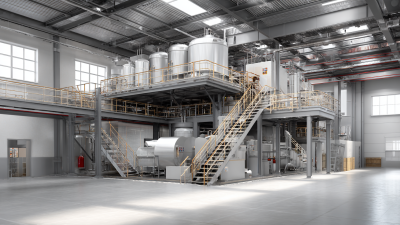
You know, China Redispersible Powder has really been catching people’s attention these days, especially in construction and adhesives. I read somewhere that Dr. Zhang Wei, who’s pretty much an expert in polymer stuff at PolyChem Industries, said it nicely: "China Redispersible Powder boosts how well and how long construction materials last." That kind of sums up why these powders are such a big deal nowadays.
What’s cool about China Redispersible Powder is that it packs a punch with some pretty awesome benefits. It helps with sticking things together better, adds a bit of flexibility, and makes it more water-resistant — all pretty much must-haves for a lot of projects. When you’re shopping around for solutions, quality really matters. But honestly, not every product out there lives up to expectations, so you gotta pick your suppliers wisely — ones with a solid track record.
If you’re thinking about buying some, it’s a good idea to check out the quality of the product and whether the supplier is reliable — it can save you a lot of hassle and cash in the long run. Dr. Zhang put it best when he said, "Performance should never be compromised." I totally agree — taking the time to choose the right stuff makes a difference in how your project turns out. Just keep an eye out, because not all China Redispersible Powders are created equal, and some aren’t gonna give you the same benefits.

What is China Redispersible Powder?
China redispersible powder, often used in construction and building materials, has gained significance in various applications. This powdered polymer significantly enhances the performance of cement-based products. A recent market report indicates that the demand for redispersible powders reached 1.5 million tons globally in 2022, a figure projected to grow as construction activities escalate.
These powders improve flexibility and adhesion in products like tile adhesives and plasters. They help create a more durable bond, which is critical in preventing cracks and ensuring longevity. Interestingly, the inclusion of redispersible powder can increase costs by around 10%. However, the benefits often outweigh these expenses, particularly in reducing repairs and enhancing product longevity.
Despite its advantages, the quality of redispersible powders can vary widely. Buyers should carefully assess suppliers to ensure consistent product performance. A lack of industry standards can lead to inconsistent results. This inconsistency can undermine the benefits, resulting in a product that doesn't meet expectations or construction standards. Hence, thorough research into suppliers is essential for buyers aiming to maximize the inherent benefits of redispersible powders.
Composition and Manufacturing Process of Redispersible Powder
Redispersible powder, particularly in the context of construction materials, undergoes a meticulous manufacturing process. Commonly composed of polymers, such as ethylene-vinyl acetate (EVA) or styrene-acrylic, the powder provides flexibility and water resistance. The production of these powders involves spray-drying emulsions, which require precision to ensure consistent particle size. According to a recent industry report, 85% of manufacturers prioritize the uniformity of particle size to maximize performance in construction applications.
During the manufacturing phase, operators must control temperature and humidity carefully. Variations can lead to inconsistencies that affect the final product's quality. As reported in industry studies, deviations in the drying process can decrease the re-dispersibility of the powder, limiting its effectiveness. Buyers should be aware that such issues might arise during production. Therefore, quality assurance measures can be critical.
Furthermore, the dispersion capability of these powders impacts end-use performance. When mixed with water, they create a smooth, workable paste that enhances adhesion and improves mechanical properties. This characteristic is crucial for various applications, such as tile adhesives, plaster, and external insulation systems. Some estimates suggest that effective redispersible powders can enhance adhesive performance by 30%, making them a vital component in modern construction chemistry.
Key Applications of China Redispersible Powder in Construction
China redispersible powder is gaining traction in the construction sector, especially in dry-mixed mortars. According to industry reports, it enhances the workability and adhesion of construction materials. With a 15-20% increase in tensile strength, it improves performance in applications such as tile adhesives, rendering, and plaster. Additionally, its ability to hold water enhances flexibility, making it vital for exterior applications.
One key application lies in self-leveling compounds. The incorporation of redispersible powder leads to a smoother finish and reduced cracking. Studies show that mortars with this additive can achieve a lower water-to-cement ratio while maintaining consistency and flowability. This results in better application and longevity of structures. However, it's essential to consider the right formulations and mixing techniques to maximize effectiveness.
Moreover, redispersible powder aids in significantly reducing dust emission during mixing. This creates a healthier work environment. However, users must be aware of possible variations in performance based on climate and regional materials. It highlights the importance of careful testing before widespread application. This evolving solution continues to push boundaries, yet it is not without its challenges, requiring continuous adaptation and assessment.
Benefits of Using Redispersible Powder for Buyers
Redispersible powder has gained considerable traction in the construction and building materials industry. This powder, when mixed with water, forms a stable dispersion that enhances the performance of various materials, such as adhesives, sealants, and coatings. The benefits of using redispersible powder are numerous and can significantly impact buyer decisions.
One main advantage is its ability to improve flexibility and adhesion. Reports indicate that the addition of redispersible powder can increase adhesion strength by up to 30%. This is crucial for construction projects where durability is key. Additionally, it enhances water retention and workability, allowing for better control during application. Buyers often appreciate this aspect, especially in challenging environments.
**Tip:** Test different types of redispersible powder on a small scale before large-scale application. This ensures compatibility with your specific materials.
Another benefit lies in its contribution to reducing shrinkage. Studies show that with redispersible powder, shrinkage in cement-based systems can decrease by about 50%. Such performance improvements lead to long-lasting results that can save costs related to repairs and maintenance. Buyers seeking quality and longevity should consider this product seriously.
**Tip:** Consult with industry experts to choose the right specifications for your project needs. This insight can lead to better performance outcomes.
Comparison of Redispersible Powder with Traditional Additives
Redispersible powder has become a critical component in modern construction materials. Unlike traditional additives, it offers unique performance benefits. A comprehensive study indicates that using redispersible powder can enhance the workability of cement-based products by up to 30%, significantly improving their adhesion and flexibility.
One of the main differences between redispersible powders and traditional additives lies in their composition. Traditional additives often rely on chemical agents, which can lead to inconsistencies in product performance. In contrast, redispersible powders utilize polymeric binders that expand the matrix when mixed with water. This results in better curing and strength retention over time. Evidence from industry reports shows that products with redispersible powder resist cracking and shrinkage, contributing to longer lifespan and durability.
Tips: Always check for compatibility when mixing different additives. Conduct small-scale tests to evaluate performance. Consider environmental factors that may influence product behavior.
Furthermore, while redispersible powder shows promising results, challenges remain. Some manufacturers may struggle with sourcing high-quality materials. Additionally, the initial cost can be higher than traditional options. Evaluating the long-term benefits against initial investments is crucial for buyers. A balanced approach ensures that the advantages of redispersible powders are maximized while addressing any potential shortcomings.
Comparison of Redispersible Powder with Traditional Additives
Tips for Selecting Quality Redispersible Powder Suppliers
When selecting quality redispersible powder suppliers, buyers should consider several key factors. Industry reports indicate that the global demand for redispersible powders has grown by approximately 5% annually. This trend signals strong competition among suppliers. Therefore, conducting thorough research is essential.
Look for suppliers with extensive experience in the production of redispersible powders. Their track record can significantly influence product quality. Additionally, checking industry certifications is crucial to ensure compliance with safety standards. High-quality suppliers often possess certifications from recognized regulatory bodies. These certifications provide buyers with confidence regarding product reliability.
It is also valuable to request samples before making a bulk purchase. Testing small quantities allows for a practical assessment of product performance. This step often reveals inconsistencies in quality that could impact final applications. Moreover, buyers should evaluate customer reviews and feedback. Noting previous experiences can offer insights but be cautious of overly positive testimonials. Engaging directly with suppliers for clarity on sourcing materials can clarify any doubts about their practices. One must weigh both pros and cons. Quality varies across suppliers, making discernment vital.
Future Trends in the Redispersible Powder Market in China
The redispersible powder market in China is evolving quickly. This product plays a crucial role in construction materials and coatings. Buyers should watch for innovations that improve performance and reduce costs. Future trends indicate a push toward eco-friendly formulations. Sustainable materials are becoming key as environmental regulations tighten.
Adopting automation in production can enhance efficiency. This trend may lower the risk of human error. Manufacturers may also focus on better quality control measures. Consistency is vital for meeting client expectations. This shift may lead to increased market competition. Companies must adapt to stay relevant.
Tips: Always verify suppliers’ claims about sustainability. Inspect the certifications of the products you choose. Understand the specific applications for your projects before purchasing redispersible powders. Consider potential challenges in sourcing these materials due to market fluctuations. Being proactive can save time and costs in the long run.
What is China Redispersible Powder and Its Benefits for Buyers? - Future Trends in the Redispersible Powder Market in China
| Dimension |
Description |
Benefits |
Future Trends |
| Market Size |
Estimated to reach $XX billion by 2025 |
Cost-effective material with excellent performance |
Increasing demand in construction and mortar applications |
| Key Applications |
Used in construction, coatings, and adhesives |
Enhances workability and reduces water usage |
Shift towards eco-friendly products |
| Competitive Advantage |
Superior adhesion and flexibility |
Improved durability and longevity of products |
Innovation in formulation and processing |
| Growing Regions |
East China, South China, North China |
Access to a large construction market |
Potential for expansion in untapped markets |
| Market Challenges |
Regulatory barriers and quality control |
Need for standardized testing and certification |
Adaptation to changing regulations and standards |
Exploring the Versatility and Benefits of Redispersible Polymer Powder (RDP) in Hydrophobic EVA Copolymer Applications
Redispersible Polymer Powders (RDPs) have emerged as highly versatile additives in various applications, particularly in hydrophobic ethylene-vinyl acetate (EVA) copolymers. The integration of RDPs into formulations enhances the overall performance, providing significant benefits in moisture resistance and mechanical strength. According to recent industry reports, the global demand for hydrophobic materials is projected to grow substantially, driven by advancements in construction and building materials. RDPs play a crucial role in achieving this hydrophobicity while ensuring seamless application processes.
One such product, developed through the polymerization of ethylene-vinyl acetate copolymer with the introduction of silicone alkyl materials, showcases remarkable hydrophobic properties and workability. This composition not only boosts the hydrophobicity of mortars but also reinforces their bonding strength, making it ideal for various construction applications. Research indicates that RDPs can improve the tensile strength of mixtures by 20-30%, resulting in enhanced durability and longevity of the materials used.
Furthermore, as construction and renovation projects increasingly prioritize sustainability and energy efficiency, the demand for high-performance hydrophobic materials continues to escalate. RDPs that enhance the performance of EVA copolymers are instrumental in offering solutions that meet these emerging market trends. The ability of these polymers to repel water and withstand environmental stress while maintaining high adhesive qualities ensures their relevance in future applications.
FAQS
: It is primarily used in construction, enhancing cement-based products’ performance.
It increases flexibility and adhesion, leading to more durable bonds and reduced cracks.
Incorporating it can raise costs by about 10%, but benefits often outweigh these.
Quality can vary widely; thorough research ensures consistent product performance.
It offers better workability and flexibility, with less reliance on chemical agents.
Self-leveling compounds, tile adhesives, and plaster are major uses.
Variability in performance based on climate and material can impact effectiveness.
It significantly reduces dust emissions during mixing.
Testing different formulations and considering environmental factors is essential.
Many think it’s just about cost; evaluating long-term benefits is crucial.
Conclusion
China Redispersible Powder is a versatile and innovative additive widely used in the construction industry. It is composed of a variety of polymers and is manufactured through a spray-drying process that allows it to easily rehydrate in water. This type of powder enhances the performance of construction materials, including cement and tile adhesives, by improving their flexibility, adhesion, and workability.
One of the notable benefits of using China Redispersible Powder for buyers is its superior performance compared to traditional additives, resulting in higher quality finished products. As the demand for sustainable and efficient building materials grows, understanding the composition, key applications, and market trends of redispersible powder is essential. Buyers are encouraged to consider quality supplier selections to ensure they utilize the full advantages of this product while keeping up with future trends in the redispersible powder market in China.