




Why Redispersible Polymer Powder Is Becoming a Non-Negotiable Ingredient in Modern Dry-Mix Mortar
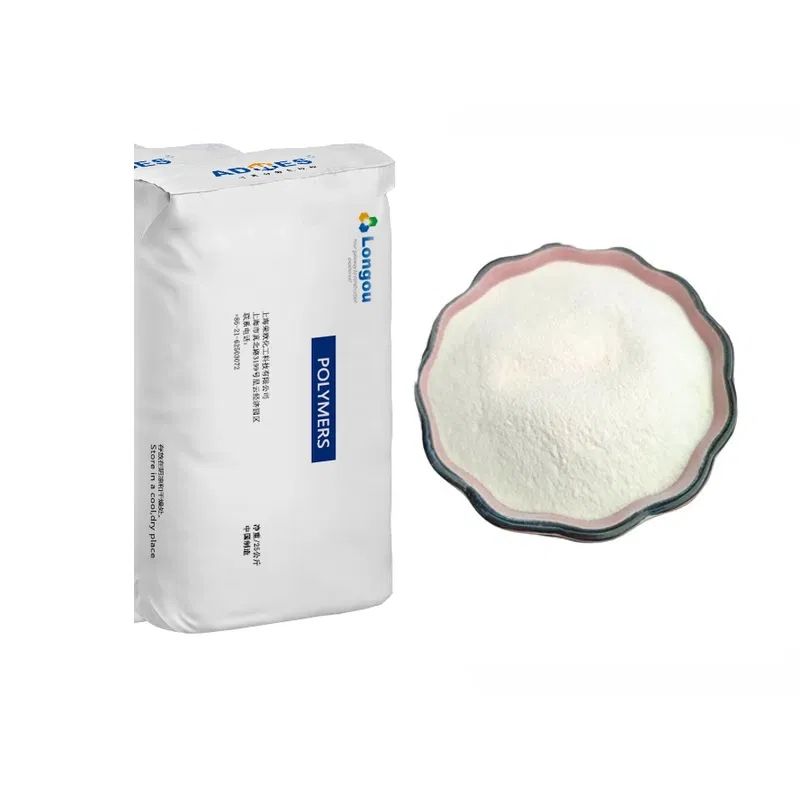
Construction chemicals are quietly going through a transformation. As builders push for faster installation, longer service life, and better performance in harsh climates, the humble dry-mix mortar has had to evolve — and at the center of that evolution sits one ingredient: redispersible polymer powder (RDP).
If you manufacture tile adhesives, wall putty, plastering mortar, self-leveling compounds, EIFS systems, or repair mortars, understanding how RDP is reshaping the market — and how to choose the right grade — can directly affect your product’s bonding strength, cost efficiency, and competitiveness.
A Market That Keeps Growing
The global RDP market has shown consistent, resilient growth over the past several years, and industry analysts expect that trend to continue. Multiple market research firms tracking the sector in 2026 point to a global RDP market in the range of $2–3 billion, expanding at a compound annual growth rate of roughly 5.5–8% through the early 2030s. While exact figures vary by methodology, the direction is the same across every report: steady, durable growth driven by construction activity worldwide.

A few forces are behind this:
- Urbanization and infrastructure investment in emerging economies, particularly across Asia-Pacific, continue to generate massive demand for tile adhesives, renders, and repair mortars.
- Renovation and retrofit programs in Europe and North America are pushing formulators toward higher-performance, low-VOC, and increasingly bio-based polymer grades.
- Energy-efficient building codes are driving demand for External Insulation and Finish Systems (EIFS), where RDP is essential for adhesive and base-coat performance.
- Asia-Pacific remains both the largest and fastest-growing regional market, reflecting the sheer scale of construction activity across the region.
For manufacturers and buyers alike, this isn’t a niche additive market — it’s a foundational one, deeply tied to the health of the global construction sector.
Why RDP Matters So Much for Bonding Strength
Redispersible polymer powder is produced by spray-drying a polymer emulsion — most commonly vinyl acetate-ethylene (VAE), but also formulations based on ethylene vinyl acetate (EVA) or vinyl esters of Vinyl Versatate (VeoVa). When mixed with water again in a dry-mix mortar, the powder “re-disperses” back into a polymer emulsion, forming a flexible film that binds cement particles together.
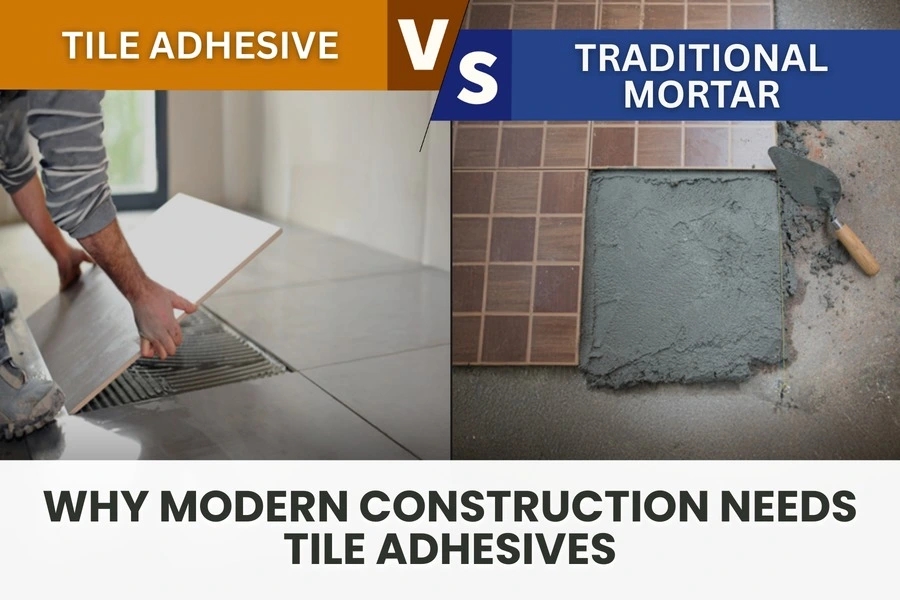

This film is what transforms an ordinary cement-based mortar into a high-performance building material:
- Improved bond strength — the polymer film increases adhesion between the mortar and substrates like concrete, ceramic tile, insulation board, or old plaster, which is critical for tile adhesives and renders.
- Enhanced flexibility and crack resistance — the elastic polymer network absorbs stress from thermal expansion, building movement, and vibration, reducing cracking over time.
- Better water resistance — a well-formed polymer film reduces water absorption, protecting against freeze-thaw damage and improving long-term durability.
- Superior workability — RDP improves the consistency, open time, and application feel of mortar, which matters as much to the applicator on-site as it does to the lab technician.
In short: it’s the difference between a mortar that merely holds together and one that performs reliably for decades.
Current Industry Pressures Worth Knowing About
The market isn’t without its challenges, and being transparent about them builds trust with informed buyers:
- Raw material volatility. Vinyl acetate monomer (VAM) prices have fluctuated significantly in recent years, squeezing margins across the supply chain. Manufacturers with vertically integrated production tend to offer more price stability.
- Trade and tariff shifts. Changes in tariffs on petrochemical feedstocks and imported chemical additives have raised costs in parts of Asia-Pacific and Europe, making supplier reliability and cost transparency more important than ever.
- Sustainability expectations. Buyers — especially in Europe — are increasingly asking for low-VOC and bio-based polymer options, pushing R&D toward greener formulations without sacrificing performance.
What This Means for Formulators and Buyers
With so many grades of RDP on the market — differing in vinyl acetate/ethylene ratio, protective colloid system, minimum film-forming temperature, and particle size — choosing the right powder isn’t a commodity decision. It’s a performance decision that affects:
- How well your tile adhesive meets C2TE or S1/S2 flexibility standards
- Whether your exterior render survives repeated freeze-thaw cycles
- How your self-leveling compound flows and cures
- Your total cost per square meter once application efficiency is factored in
This is exactly where working with an experienced RDP manufacturer — one that understands both the chemistry and the practical realities of dry-mix mortar production — makes a measurable difference.

Looking Ahead
As global construction continues to prioritize durability, energy efficiency, and faster installation, redispersible polymer powder will only become more central to how dry-mix mortars are formulated. Manufacturers who partner with suppliers offering consistent quality, technical support, and formulation guidance — not just bulk powder — will be best positioned to meet these rising performance expectations.
Interested in learning which RDP grade fits your mortar formulation? Contact our technical team(coco@longoucell.com) for sample testing and formulation support.

Post time: Aug-18-2026