0%

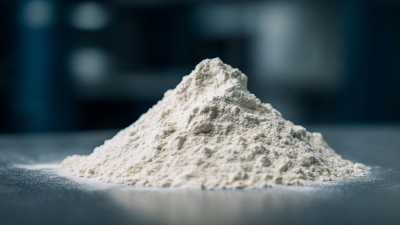
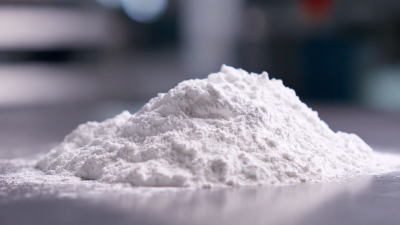
Flexible Polymer Powder is really shaking things up across a bunch of industries these days. You know, it’s incredibly versatile and has some pretty unique properties that make it stand out. Big players like DuPont and BASF are definitely taking advantage of what it can do. From 3D printing and coatings to medical stuff — this powder is popping up everywhere. Its light weight and strength make it perfect for all sorts of applications, you see.

In the automotive world, for example, manufacturers are using it to make lighter parts, which is a game-changer because it helps cut down on fuel consumption and boosts overall performance. And in packaging, it provides solid protection without adding unnecessary weight or bulk — talk about efficiency! This flexibility not only minimizes material use but also helps cut down on waste, making things more eco-friendly.

Of course, it’s not all smooth sailing. Some manufacturers are still trying to figure out how to get the most out of it, and there are questions about how durable it really is over the long haul in certain scenarios. Recognizing these challenges is super important if we want to really capitalize on its potential. As the industry keeps evolving, ongoing innovation is a must — we gotta keep pushing to solve these issues and get the most out of this amazing material.

Top 10 Uses of Flexible Polymer Powder in Industry and Beyond?

Introduction to Flexible Polymer Powder and Its Properties

Top 10 Uses of Flexible Polymer Powder in Industry and Beyond?

Flexible polymer powder, a versatile material, has gained significant attention in various industries. Its unique properties include excellent flexibility, lightweight nature, and resistance to environmental factors. These characteristics make it suitable for numerous applications. For instance, it can easily adapt to different shapes and structures in manufacturing processes. It not only enhances product performance but also improves aesthetics.

In addition to its practical uses, the flexibility of polymer powder also presents challenges. Ensuring consistency in quality during production is essential. Variations in particle size and distribution can affect the final product's properties. Designers and engineers must pay close attention to these details. Indeed, achieving the desired performance often requires ongoing testing and refinement. The balance between adaptability and reliability is crucial in realizing its full potential across industries.

Key Industries Utilizing Flexible Polymer Powder

Flexible polymer powder is transforming various industries with its versatility. Keep an eye on sectors like automotive, where lightweight components are crucial. Flexible polymer powder enhances fuel efficiency and reduces emissions. The aerospace industry, too, benefits from these materials. They help create more durable parts that withstand harsh conditions.

In construction, flexible polymer powders are increasingly used in coatings and adhesives. These materials provide better resistance to environmental factors. They ensure longevity and stability in building projects. The medical field also utilizes these powders. They enhance the production of flexible and durable medical devices, improving patient comfort.

Despite the promising applications, challenges exist. The quality of polymer powders can vary significantly. Some may not perform as expected in critical applications. It's essential to continuously test and improve the materials for reliability. Industries must collaborate to address these inconsistencies and explore new possibilities.

Applications in the Automotive Sector

Flexible polymer powder is transforming the automotive sector. Its lightweight properties significantly contribute to fuel efficiency. According to a recent report by the International Energy Agency, vehicles made with lightweight materials can improve fuel economy by up to 10%. This provides crucial benefits in reducing emissions.

In automotive manufacturing, flexible polymer powder is often used in coatings and sealants. These materials increase durability and resistance to varying environments. A study by the Automotive Composites Alliance noted that using these polymers can lower production costs by up to 15%. This creates an opportunity for manufacturers to enhance their profit margins.

However, challenges remain. The reliance on specific processing methods can lead to inconsistencies in quality. This variability can affect performance and longevity in automotive applications. Companies must constantly evaluate their practices to address these issues. Flexibility in polymer use is essential, but engineers must remain vigilant about quality control.

Role in the Aerospace and Defense Industries

Flexible polymer powder is making a significant impact in the aerospace and defense industries. Its lightweight properties enhance fuel efficiency in aircraft. According to recent reports, lightweight materials can reduce fuel consumption by up to 15%. This reduction is critical as airlines aim to lower operational costs and meet sustainability goals.

Moreover, the versatility of flexible polymer powder allows for innovative designs in aerospace components. Parts can be produced with complex geometries, enabling more effective use of space and materials. This flexibility also supports rapid prototyping, which accelerates development timelines. However, challenges remain. The variability in quality and performance can lead to inconsistencies in the final product. Industries must ensure rigorous testing and quality control.

Furthermore, the resistance of flexible polymers to extreme conditions is invaluable. In defense applications, materials must endure harsh environments. This attribute can increase the longevity of critical components. Yet, sourcing high-quality polymer powder continues to be an issue. Manufacturers often struggle with supply chain constraints. There is a pressing need for improved processes to enhance reliability while keeping costs manageable.

Top 10 Uses of Flexible Polymer Powder in Aerospace and Defense Industries

Innovative Uses in Medical and Healthcare Solutions

Flexible polymer powder has found unique applications in medical and healthcare solutions, revolutionizing traditional practices. In 3D printing, these powders create customized prosthetics and implants. Personalization is key. Each piece can fit perfectly, enhancing comfort and functionality.

Tips: Ensure proper biocompatibility to avoid adverse reactions. Testing is essential.

Another innovative use is in drug delivery systems. The powders can be formulated into carriers that release medication gradually. This offers better control over dosage. However, formulations can be tricky. Ratios need careful adjustments for optimal performance.

Flexible polymers are also crucial in wound care. They can form protective layers over injuries, allowing for better healing. Yet, some materials may not allow air circulation. It's important to consider this trade-off for effective care.

Tips: Choose the right polymer type based on specific healing needs. Consultation with healthcare professionals is recommended. Proper selection can make a significant difference.

Flexible Polymer Powder in Consumer Goods and Packaging

Top 10 Uses of Flexible Polymer Powder in Industry and Beyond?

Flexible polymer powder is increasingly important in consumer goods and packaging. This material offers unique characteristics such as durability, lightweight properties, and versatility. In 2022, the flexible polymer powder market was valued at approximately $4 billion. It’s expected to grow by over 6% annually until 2030. Such growth highlights its impact on the packaging industry.

In packaging, flexible polymer powders can create lightweight yet strong materials. These materials help reduce shipping costs and carbon footprints. For instance, flexible films made from these powders are gaining traction in food packaging. They extend shelf life by providing better barrier properties against moisture and oxygen. Reports show these films can decrease waste by 30% in comparison to traditional packaging methods.

However, there are challenges that need addressing. Not all flexible polymer powders are recyclable, leading to waste issues. Today, the industry needs to focus on sustainable solutions. Consumers increasingly demand eco-friendly products. Many companies are still figuring out how to meet this expectation effectively. As awareness grows, innovation in this area becomes crucial.

Environmental Impact and Sustainability Considerations

The use of flexible polymer powder in various industries raises significant environmental concerns. While these materials are often praised for their versatility, the production process can be resource-intensive. Energy consumption during manufacturing is a key issue. Every step, from extraction to processing, contributes to carbon emissions. A deeper look reveals much waste generated in production.

Sustainability is not simply about minimizing waste. It involves thoughtful sourcing of raw materials. Often, the polymer powders are derived from non-renewable resources. This fact raises questions about long-term viability. Can we shift toward bio-based alternatives? Some researchers are exploring this route, but the transition is slow. The cost of production often outweighs the benefits, creating a paradox that requires careful consideration.

Additionally, the disposal of flexible polymers can burden landfills. They often do not biodegrade efficiently. Recycling options exist, yet they are not widely implemented. The industry faces a challenge to enhance recycling technology. Striking a balance between innovation and sustainability remains critical. Addressing these issues is a significant step toward a more responsible future.

Market Insights into Redispersible Polymer Powder: Evaluating VAE Performance in Modern Construction Applications

The construction industry has increasingly recognized the importance of redispersible polymer powders, particularly those based on ethylene-vinyl acetate (EVA) copolymers. These materials are crucial in enhancing the performance of various construction applications. According to market research, the demand for VAE (vinyl acetate-ethylene) emulsions is projected to grow significantly, driven by their superior properties such as flexibility and adhesion. These attributes make them ideal for use in modern construction, including in adhesives, sealants, and tile grouts.

Recent industry reports suggest that redispersible latex powders can significantly improve the bonding strength between mortars and various substrates. This is particularly relevant in areas with varying climatic conditions, where resilience and durability are critical. The incorporation of VAE-based polymer powders not only enhances adhesion but also provides superior flexibility and impact resistance, which are essential qualities for long-lasting construction materials.

Furthermore, the versatility of these polymer powders allows them to be utilized in a range of applications, from interior finishes to exterior wall systems. The focus on sustainable building practices is encouraging further exploration and adoption of these materials, underscoring their relevance in fulfilling modern construction needs while adhering to environmental standards. As the industry evolves, leveraging the capabilities of VAE technology will remain a significant trend in developing innovative building solutions.

FAQS

: What is the purpose of this service?

: This service aims to provide users with accurate information. It helps them make informed decisions.

Who can use this service?

Anyone seeking information can use this service. Users come from various backgrounds and locations.

How is the information gathered?

Information is collected from various reliable sources. It undergoes a review process for accuracy.

Can users contribute to the information?

Yes, users can share their insights. Contributions are welcome but must be verified for reliability.

Is there a cost to access this service?

Accessing this service is free. Users should seek information without worrying about fees.

How often is the information updated?

Information is regularly updated to ensure accuracy. However, some details may become outdated quickly.

Are there limitations to the information provided?

Yes, some topics may not be covered in depth. Users should cross-reference details for clarity.

How can users report inaccuracies?

Users can report inaccuracies through designated channels. Feedback is crucial for maintaining quality.

What should users be aware of when using this service?

Users should critically evaluate the information. Not all content may apply to every situation.

Is personal data collected during use?

Minimal personal data may be collected for service improvement. Users should be cautious with their information.

Conclusion

Flexible Polymer Powder is a versatile and innovative material with a wide range of applications across various industries. Its unique properties, such as elasticity, lightweight nature, and durability, make it particularly valuable in sectors such as automotive, aerospace, and healthcare. In the automotive industry, Flexible Polymer Powder is utilized to enhance performance and reduce weight, contributing to improved fuel efficiency and safety. The aerospace and defense sectors benefit from its strength and resistance to harsh environmental conditions, making it ideal for critical components.

Moreover, Flexible Polymer Powder plays a significant role in the medical field by enabling the development of advanced healthcare solutions, including prosthetics and various medical devices. Its applications extend to consumer goods and packaging, where it offers sustainable alternatives that minimize environmental impact. As industries increasingly focus on sustainability, the use of Flexible Polymer Powder is expected to grow, driving innovation while considering environmental impact and promoting responsible practices.

Sophia

Sophia

Sophia is a dedicated marketing professional at Longou International Business (Shanghai) Co., Ltd., a leading manufacturer and application solutions provider of construction chemicals additives. With a profound understanding of the industry and a strong grasp of the company’s innovative products,......
Previous Global Sharing of Chinese Excellence in Best Rd Powder Applications for Reliable Quality