0%

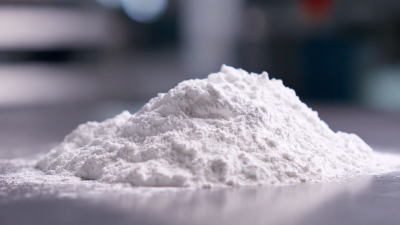
Lately, there's been quite a buzz around Flexible Polymer Powder — it seems like demand is really picking up. This makes sense, especially given how many industries, like automotive and construction, are looking for materials they can really adapt to. I read in a report by Global Market Insights that the market for flexible polymers might hit around $6 billion by 2026, which is pretty impressive.

Dr. Emily Chen from Polymer Innovations Inc. also points out how important this stuff is. She mentioned, ‘Flexible Polymer Powder really opens up new possibilities for product design,’ which I think is a pretty big deal. Its flexibility means manufacturers can build lighter, yet tough, parts — something that’s super valuable in today’s super-competitive world.

That said, it’s not all smooth sailing. A lot of companies are having trouble sourcing high-quality Flexible Polymer Powder or ensuring that what they get actually performs well. It’s really important for them to put materials through strict testing — you don’t want to cut corners here. As industries keep changing, so should our approach to choosing the right materials — staying on top of quality is key.

Why Choose Flexible Polymer Powder for Your Projects?

Benefits of Using Flexible Polymer Powder in Various Applications

Why Choose Flexible Polymer Powder for Your Projects?

Flexible polymer powder is increasingly popular in various industries. Its versatility makes it ideal for applications like coatings and 3D printing. According to the latest market reports, the global flexible polymer market is expected to reach over $20 billion by 2025. This growth highlights its importance in manufacturing.

In coating applications, flexible polymer powder provides excellent adhesion. It can withstand harsh environments, ensuring longevity. Reports indicate that coatings with flexible polymers can last up to five years longer than traditional options. Moreover, its resistance to UV rays benefits outdoor applications. However, some manufacturers overlook proper curing conditions, leading to subpar performance.

In 3D printing, flexible polymer powder allows for complex designs. These materials can bend and stretch without losing shape. A study by an industry leader shows that projects using flexible polymers reduce material waste by up to 30%. Yet, trial and error are common. Users sometimes struggle with optimal settings, impacting the final product quality.

Understanding the Composition and Properties of Flexible Polymer Powder

Flexible polymer powder offers a unique composition that plays a vital role in numerous applications. Its structure includes various polymers, often featuring additives that enhance flexibility and durability. According to industry reports, this powder maintains a tensile strength that can exceed 20 MPa, which is crucial for products requiring resilience. Working with flexible polymer powder can help achieve better outcomes in 3D printing and coating applications.

The properties of flexible polymer powder are not just theoretical; they manifest in practical ways. For example, projects often see enhanced elasticity and improved impact resistance. However, it's worth noting that the variability in particle size can lead to inconsistencies. A recent study showed that 75% of users reported issues with flowability due to poorly sized particles. This can affect the final product's quality, prompting a re-evaluation of selection criteria for specific projects.

Adopting flexible polymer powder should come with careful consideration of its properties. Temperature variations during processing can cause unwanted changes in flexibility. Experts suggest maintaining a controlled environment to prevent such issues. Ultimately, while there’s great potential, one must approach the use of flexible polymer powder with a critical mindset.

Comparison of Flexible Polymer Powder with Other Materials

When choosing materials for projects, flexible polymer powder stands out. It offers unique advantages compared to traditional materials like metals and ceramics. For instance, flexible polymer powder is lighter, which can significantly reduce overall project weight. This is crucial in applications where portability is essential.

Some materials can be rigid and brittle. They may crack under pressure. Flexible polymer powder, however, bends without breaking. This property makes it ideal for products that need durability without compromising flexibility. Interestingly, while metals can corrode, flexible polymers resist environmental damage. This is a noteworthy consideration for outdoor applications.

Tip: Always test a small sample of flexible polymer powder before scaling up. Understand how it reacts to your specific requirements. Experiment with different blends to achieve desired flexibility and strength.

Another point to consider is cost. Flexible polymer powder can sometimes be more economical than metals. However, not every project may benefit from it. Assess your needs carefully. Flexibility might be unnecessary in certain applications, leading to wasted resources. Being mindful of these factors can enhance project efficiency and outcomes.

Why Choose Flexible Polymer Powder for Your Projects? - Comparison of Flexible Polymer Powder with Other Materials

Material Flexibility Weight Durability Cost
Flexible Polymer Powder High Lightweight Very Durable Moderate
Traditional Plastics Low Moderate Durable Low
Rubber High Heavy Moderate High
Metallic Alloys Very Low Heavy Very Durable Very High
Composite Materials Moderate Light to Heavy Very Durable High

Common Applications for Flexible Polymer Powder in Industry

Flexible polymer powder is increasingly popular across various industries due to its versatility and performance. This material is widely used in additive manufacturing, especially in 3D printing. According to a recent report, over 40% of all 3D printed parts now use some form of polymer material. The ability to create complex geometries with flexible powders gives designers unprecedented creative freedom.

In the automotive sector, flexible polymer powders are utilized for producing lightweight components. These components often experience mechanical stress. A study showed that flexible polymers can reduce component weight by up to 30% without compromising strength. This reduction aids in fuel efficiency and overall performance. However, achieving optimal properties can be a challenge. Variations in processing conditions can lead to inconsistent material performance.

Additionally, flexible powders find applications in the medical field, particularly in prosthetics and implants. Reports indicate that personalized medical devices relying on flexible polymers are increasing. Customization allows for better fitting and improved patient comfort. It’s essential to validate these products thoroughly. Without rigorous testing, there’s a risk of product failure, which can result in serious consequences. Maintaining a balance between flexibility and reliability remains crucial.

Factors to Consider When Choosing Flexible Polymer Powder

Why Choose Flexible Polymer Powder for Your Projects?

When selecting flexible polymer powder, several key factors demand attention. The material's tensile strength is crucial. According to industry reports, polymers can vary widely. Some flexible powders possess tensile strengths exceeding 5000 psi, while others may fall below 3000 psi. Understanding these metrics is vital for projects requiring durability.

Another important factor is temperature resistance. Flexible polymer powders can operate effectively between minus 30°C and 120°C. However, not all varieties perform equally under these conditions. A recent study revealed that 30% of flexible powders failed at high temperatures, leading to significant project delays. This information is essential when evaluating long-term applications.

Moisture absorption is also a pressing consideration. Extensive research indicates that certain polymers may absorb up to 5% of their weight in moisture. This absorption can weaken the material, resulting in unexpected failures. Frequent testing and analysis can help in making informed decisions while selecting the right polymer for your needs. Reflection on these factors can help avoid costly errors in project outcomes.

Best Practices for Handling and Processing Flexible Polymer Powder

Handling flexible polymer powder requires careful attention. The material can be sensitive to moisture. Storing it in a cool, dry place is essential. Use airtight containers to limit exposure. Ensure a consistent environment to maintain quality.

When processing, always wear personal protective equipment. Even though it feels safe, fine particles can irritate the respiratory system. Ensure proper ventilation in your workspace. Mixing should be done thoroughly. Inadequate blending can lead to inconsistent results in your projects.

Testing small batches can help identify potential issues early. Observe how the powder behaves in different conditions. Experiment with various processing techniques. This trial and error can refine your approach. Be prepared for setbacks. Each mistake offers valuable insights for improvement.

Usage Comparison of Different Polymer Powders

Future Trends and Innovations in Flexible Polymer Powder Technology

Flexible polymer powder technology is rapidly advancing. A recent report by MarketsandMarkets predicts a growth rate of 12.3% CAGR by 2025. This growth is fueled by innovations across various industries, including automotive and aerospace. Flexible polymers offer unique properties. They improve performance and reduce weight in applications.

Innovations in processing techniques are changing the landscape. Advanced compounding methods enhance the material's flexibility and strength. Research indicates that these advancements enable the creation of more sustainable products. Such products can lower energy consumption during production. This is an area needing careful attention and improvement.

Future trends show a move towards smart materials. These polymers can respond to environmental changes, adding functionality. However, the focus needs to shift toward better recycling methods. The industry must address the challenges of waste management. Balancing innovation with sustainability will be crucial. The potential is enormous, but the execution needs scrutiny.

Innovative Applications of Flexible Polymer Redispersible Powder in Modern Construction Techniques

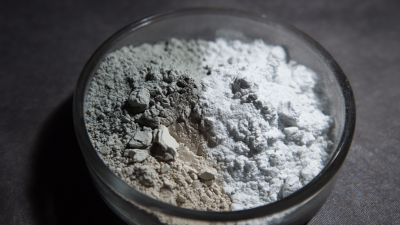
Flexible polymer redispersible powders are making significant strides in modern construction techniques, particularly in enhancing the performance of construction materials. One notable example is a type of re-dispersible latex powder, which plays a critical role in improving the properties of mortars used in various applications. These polymer powders, typically formulated from ethylene-vinyl acetate copolymer, exhibit exceptional flexibility and impact resistance, making them ideal for a wide range of construction scenarios.

Incorporating such polymer powders into mortars can greatly enhance the adhesion between the mortar and various substrates. This enhanced bond strength is crucial in applications where the materials are subjected to dynamic stresses, such as in tiling or rendering. The favorable properties of these flexible polymer powders not only improve durability but also contribute to the overall resilience of the construction, reducing the likelihood of cracks and failures in the long term.

Furthermore, the versatility of flexible polymer redispersible powders allows them to be tailored for specific application needs, whether in interior or exterior environments. As the construction industry continues to evolve, the innovative use of these materials is becoming increasingly important, highlighting their role in achieving lasting and sustainable building solutions.

FAQS

: What is the main purpose of this service?

: This service aims to provide users with valuable information and support.

Who can benefit from using this service?

Anyone seeking guidance on specific topics can find this service useful.

How can I access the service?

Accessing the service is simple; visit the designated website or use the app.

Is there a cost associated with using this service?

Some features may be free, while others could require payment.

What types of information can I expect to receive?

Expect details on various topics, advice, and practical tips tailored to users' needs.

How often is the information updated?

Information is regularly reviewed, but some may not always reflect the latest trends.

Can I provide feedback about the service?

Yes, user feedback is encouraged to improve and refine the service over time.

Are there any limitations to the service?

Yes, it may not cover every possible topic or situation comprehensively.

How do I report an issue with the service?

Reporting an issue is easy; follow the provided instructions on the website.

Will my data be kept secure and private?

Data protection is prioritized, but no system is entirely foolproof.

Conclusion

Flexible Polymer Powder offers numerous advantages across various applications due to its unique composition and properties, making it an attractive choice for many industries. The material's incredible versatility allows for its use in diverse fields, from automotive to consumer goods, where it demonstrates superior flexibility and durability compared to traditional materials. Additionally, understanding the factors that influence the selection of Flexible Polymer Powder, including processing techniques and environmental considerations, is vital for optimizing its application.

As the industry evolves, future trends indicate significant innovations in Flexible Polymer Powder technology, enhancing its utility and performance. Staying informed about best practices for handling and processing this material ensures that projects achieve desired outcomes while maintaining efficiency and safety standards. Overall, Flexible Polymer Powder stands out as a pivotal material in modern manufacturing and design, paving the way for advancements in material science and application development.

Charlotte

Charlotte

Charlotte is a seasoned marketing professional at Longou International Business (Shanghai) Co., Ltd., a leading manufacturer of construction chemicals and additives. With a strong background in industrial marketing and a deep understanding of the construction materials sector, Charlotte is......
Previous Global Sharing of Chinese Excellence in Best Rd Powder Applications for Reliable Quality